Encyclopedia of Intelligent Machines
The MachineHours Encyclopedia covers 156+ topics across artificial intelligence, robotics, computing history, semiconductors, energy, and the economic impact of automation. Each entry is researched to depth with historical context, technical explanation, and implications for investors and professionals — with cross-links to related entries so the encyclopedia reads as a connected body of knowledge rather than a list of standalone definitions.
Coverage is organised across nine categories. AI Concepts & History covers the foundational ideas, model architectures, training techniques, and the major labs and products driving the field forward — from transformers and large language models through to agentic systems and reinforcement learning. Robotics & Automation tracks humanoids, autonomous vehicles, industrial automation, and the convergence of AI with physical embodiment. Semiconductors & Hardware explains the hardware substrate of the AI era — GPUs, TPUs, custom accelerators, foundry economics, and the export-control landscape that shapes who builds what.
Energy & Infrastructure covers data centre build-outs, grid constraints, nuclear and renewable power, and the physical bottlenecks that now gate AI progress. Software & Coding traces the developer tools, programming languages, cloud platforms, and protocols that AI applications are built on. Economic Impact records the corporate, financial, and labour-market events that define the economics of the automation transition. Use the filters below to navigate by topic, or visit the full A-Z glossary.
Foundational
15 entries
Diffusion Models — How AI Generates Images, Video, and Audio
Diffusion models represent a breakthrough approach to generative AI that creates high-quality images, videos, and audio by learning to reverse a gradual noise-adding process.

Edison's Electric Light — Electrifying the Modern World
Edison's electric light system established the first complete electrical infrastructure ecosystem, transforming human productivity by decoupling work and social activity from natural daylight cycles while demonstrating that technological adoption requires integrated support systems rather than standalone inventions.

Faraday's Electric Motor — The Discovery That Started the Electrical Age
Michael Faraday's invention of the first electric motor in 1821 demonstrated that electrical current could produce continuous mechanical motion, establishing the fundamental principle underlying all electric motors.

Graph Neural Networks — How AI Learns from Connected Data
Graph Neural Networks (GNNs) represent a breakthrough in AI that enables machines to learn from data organized as networks of interconnected nodes and edges.

Information Theory — Claude Shannon's Mathematical Revolution
Information theory is the mathematical framework developed by Claude Shannon in 1948 that quantifies information content and establishes the theoretical limits of data compression and error-free communication over noisy channels.

Neural Network Training — Backpropagation, Gradient Descent, and How Models Learn
Backpropagation and gradient descent form the mathematical foundation that enables neural networks to learn from data by iteratively adjusting connection weights to minimize prediction errors.
Neuromorphic Computing — Brain-Inspired Chips and the Future of Efficient AI
Neuromorphic computing represents a paradigm shift from traditional digital processors to brain-inspired chips that mimic neural structures and processes for dramatically improved energy efficiency.

Post-Quantum Cryptography — Protecting Encryption Before Quantum Computers Arrive
Post-quantum cryptography represents a fundamental shift in encryption methods designed to withstand attacks from quantum computers that could break current RSA and elliptic curve cryptography within decades.

Quantum Algorithms — Shor, Grover, and the Problems Quantum Computers Actually Solve
Quantum algorithms like Shor's and Grover's represent the most significant theoretical breakthroughs in quantum computing, demonstrating how quantum mechanics can solve specific computational problems exponentially or quadratically faster than classical computers.

RLHF — Reinforcement Learning from Human Feedback and How It Trains LLMs
Reinforcement Learning from Human Feedback (RLHF) is the training methodology that transforms raw language models into conversational AI systems by incorporating human preferences and values.

The AC Power Grid — Tesla, Westinghouse and the War of Currents
The War of Currents was the pivotal late 19th-century battle between AC and DC electrical systems that determined how the world would be powered for the next century.
The Hardware Lottery — Why Certain AI Architectures Won and Others Disappeared
The hardware lottery describes how the availability of specific computing hardware shapes which AI research directions succeed, often independent of their theoretical merit.

The Quantum Computing Race — Google Willow, IBM Quantum, and the Road to Commercial Advantage
This encyclopedia entry examines the competitive landscape of quantum computing development, focusing on major breakthroughs like Google's Willow chip and IBM's quantum systems while analyzing the technical hurdles and strategic approaches different companies are taking to achieve quantum supremacy.

The Transformer Architecture — Attention Mechanisms and Why They Changed AI
The transformer architecture revolutionized artificial intelligence by replacing recurrent neural networks with attention mechanisms that can process entire sequences simultaneously.

The Turing Test — Can Machines Think?
The Turing Test is a behavioral criterion for machine intelligence proposed by Alan Turing in 1950, measuring whether a computer can engage in natural language conversations indistinguishable from human responses.
Computing
24 entries
Apple II — The First Mass-Market Personal Computer
The Apple II, launched in 1977, established the template for consumer personal computing by combining user-friendly design with expandable architecture in a complete, ready-to-use package.
ARPANET — The Government Network That Became the Internet
ARPANET was the pioneering computer network developed by DARPA in 1969 that introduced packet switching technology and became the foundational infrastructure for today's internet.
Cloud Computing — How AWS Changed the Economics of Technology
AWS represents the commercialization of cloud computing that transformed technology infrastructure from a capital expenditure model requiring massive upfront investments into an operational expenditure model with pay-as-you-scale pricing.

Colossus — The Secret Computer That Helped Win World War II
Colossus was the world's first programmable electronic computer, built secretly at Bletchley Park during WWII to decrypt German Lorenz cipher communications using over 1,500 vacuum tubes.

ENIAC — The First General-Purpose Computer
ENIAC was the world's first general-purpose, fully electronic digital computer, operational from 1946-1955, representing the foundational transition from mechanical calculation to electronic computation that established the technological paradigm for all subsequent computer development.

Facebook Launches
Facebook's launch on February 4, 2004, marked the beginning of the world's largest social media platform, fundamentally transforming how humans communicate and share information globally.

Google IPO
67 billion through an unconventional Dutch auction process, defying traditional Wall Street IPO methods.

iPhone Launched
The iPhone launch on January 9, 2007, marked the beginning of the smartphone era and fundamentally transformed how humans interact with computing technology.

Linux Kernel Released
The Linux kernel represents one of the most successful open-source software projects in history, powering everything from smartphones and embedded devices to supercomputers and cloud infrastructure.

Mosaic Web Browser
NCSA Mosaic was the first widely-adopted graphical web browser that made the World Wide Web accessible to mainstream users in 1993.

Netscape IPO
The Netscape IPO on August 9, 1995, marked the beginning of the dot-com boom and fundamentally changed how investors valued internet companies.

TCP/IP — The Protocol That Made the Internet Universal
TCP/IP is the foundational protocol suite that enabled the modern internet by establishing universal standards for how data packets are transmitted, routed, and reassembled across disparate networks.
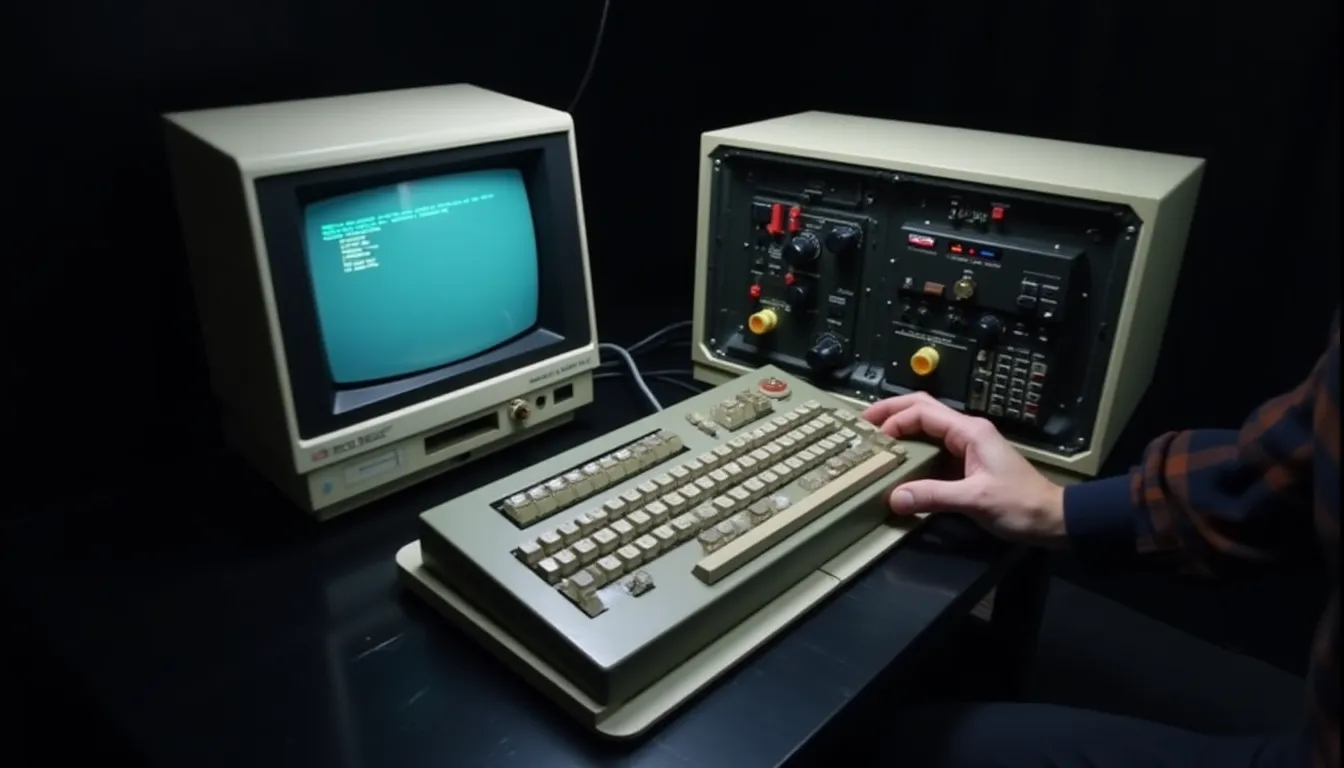
The Altair 8800 — The Kit Computer That Launched the PC Revolution
The Altair 8800, released in 1975, was the first commercially successful personal computer kit that transformed computing from an institutional activity into a hobbyist pursuit.

The Bell Telephone — Voice Transmission and the Birth of Telecommunications
The Bell Telephone, invented by Alexander Graham Bell in 1876, was the first practical system to convert sound waves into electrical signals for real-time voice transmission over wires, establishing the foundational technology for all telecommunications.

The IBM PC — How Big Blue Standardised Personal Computing
The IBM PC, launched in 1981, established the dominant architecture and business model that would define personal computing for decades.

The Internet — From ARPANET to Global Network
The Internet evolved from ARPANET, a 1960s Cold War defense research project, into the foundational infrastructure that enables all modern digital communication, commerce, and information systems.
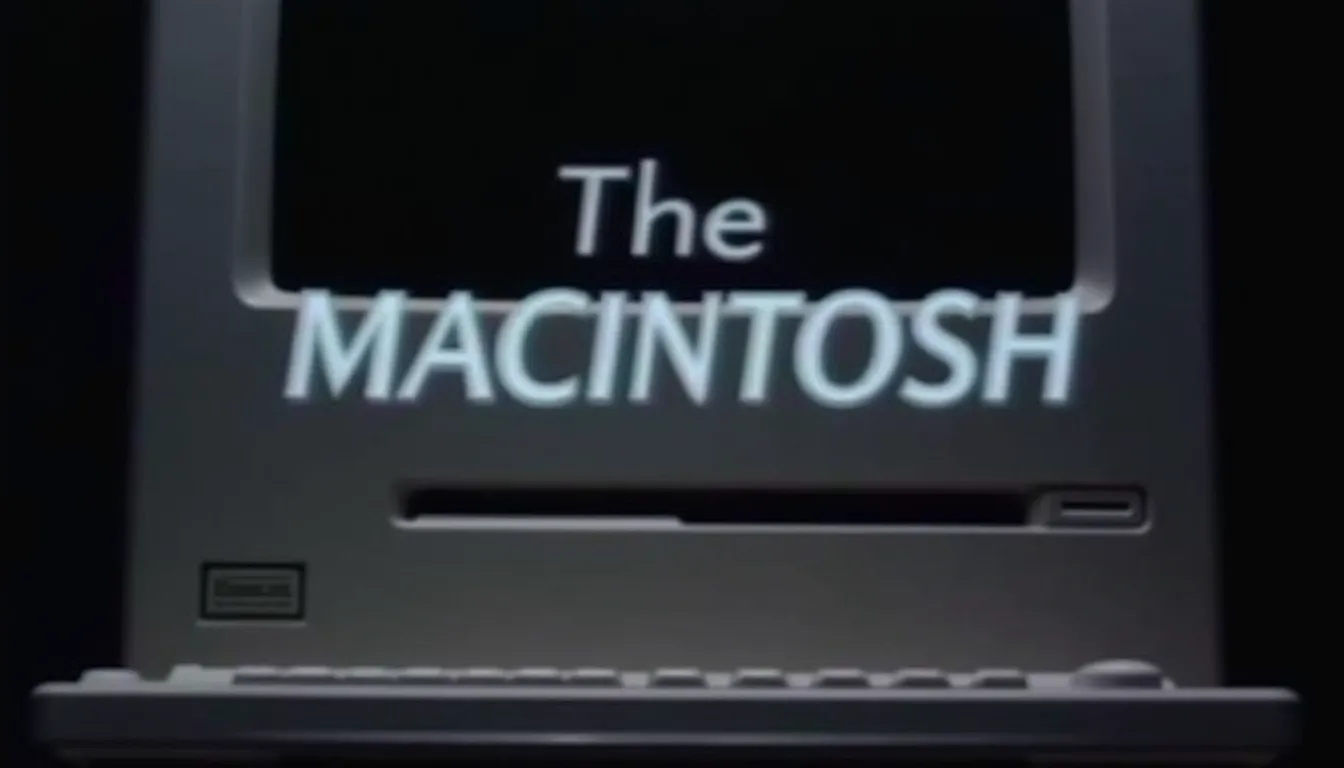
The Macintosh — Graphical Computing for Everyone
The Macintosh revolutionized personal computing by introducing the graphical user interface to mainstream consumers, replacing command-line interactions with intuitive point-and-click operations using windows, icons, and menus.

The Morse Telegraph — Instant Communication Changes the World
The Morse telegraph system, perfected in the 1840s, created the first practical method for transmitting coded information instantaneously across vast distances using electrical signals.

The Personal Computer Revolution — Computing for Everyone
The Personal Computer Revolution was the technological and economic transformation from the 1970s-1990s that democratized computing by making it accessible to individuals rather than exclusively available to large institutions through expensive mainframes.

The Smartphone Revolution — A Computer in Every Pocket
8 billion people worldwide, fundamentally reshaping how humans interact with digital services and information.

The World Wide Web — How Berners-Lee Connected Humanity
The World Wide Web is the foundational information system that transformed isolated computer networks into a unified global platform through HTML, HTTP, and URL protocols, with Tim Berners-Lee's decision to make these technologies freely available being crucial to its universal adoption.
Uber Founded
Uber's founding in 2009 marked the beginning of the modern gig economy and demonstrated how mobile technology could create entirely new markets by connecting supply and demand through digital platforms.

UNIVAC — The First Computer Sold to Business
S.

Unix — The Operating System That Shaped Everything After It
Unix, developed at Bell Labs in 1969, established the foundational design principles that govern virtually every modern operating system, from Linux and macOS to embedded systems in smartphones and IoT devices.
AI History
17 entries
AI on Mars — The First Autonomously Planned Planetary Exploration
The deployment of AI-powered autonomous planning systems on Mars rovers represents humanity's first successful implementation of large-scale artificial intelligence beyond Earth.

AlphaGo Defeats Lee Sedol
AlphaGo's 2016 victory over world champion Lee Sedol marked the first time an AI system mastered a cognitive domain previously considered impossible for machines due to Go's astronomical complexity and reliance on intuition.

Claude 4 — Anthropic's Coding and Agentic AI Breakthrough
Claude 4 represents Anthropic's transition from conversational AI to autonomous agentic systems capable of independent software development and complex task execution without human oversight.

Deep Blue vs Kasparov — The Match That Changed AI
Deep Blue's victory over Garry Kasparov in 1997 was the first time a computer system defeated a reigning world champion in chess under tournament conditions, demonstrating that machines could outperform humans in complex strategic thinking previously considered uniquely human.

DeepSeek R1 — The $5.6 Million Model That Shocked the AI World
6 million in training costs, fundamentally challenging the industry assumption that competitive AI systems require hundreds of millions or billions in development funding.

DeepSeek V3.2 — Open Source Frontier AI from China
2 represents a watershed moment in AI development, demonstrating that China can produce frontier-level AI models despite semiconductor restrictions and release them open source.

Expert Systems — AI's First Commercial Success and Its Limits
Expert systems were rule-based AI programs that encoded human expertise into software, becoming AI's first major commercial success in the 1970s and 1980s by generating billions in revenue across industries like medical diagnosis and financial planning.
Google Acquires DeepMind
Google's $500+ million acquisition of DeepMind in 2014 marked a pivotal moment when tech giants began recognizing AI as a core strategic asset rather than a research curiosity.

GPT-3 Released
GPT-3, released by OpenAI in June 2020 with 175 billion parameters, was the first large language model to demonstrate human-level performance across diverse cognitive tasks without task-specific training.

GPT-5 — OpenAI Crosses the Human Expert Threshold
GPT-5 is OpenAI's first general-purpose AI system to consistently match or exceed human expert performance across diverse cognitive domains, featuring an adaptive compute architecture that dynamically scales computational resources based on problem complexity.

Meta Llama 4 — Open Source Multimodal AI for Everyone
Meta Llama 4 is the first frontier-class multimodal AI model released with fully open weights and permissive licensing, processing text, image, video, and audio at state-of-the-art performance levels.

November 2025 — The Most Competitive Month in AI History
1 launching within three weeks of each other.

Stable Diffusion Released
Stable Diffusion's August 2022 release marked the first open-source availability of a state-of-the-art text-to-image AI model, breaking the monopoly of closed API services like DALL-E 2 and Midjourney.

The AI Winters — Why AI Progress Stalled Twice
The AI Winters were two periods (1974-1980 and 1987-1993) when artificial intelligence research funding collapsed and commercial development stagnated due to overhyped expectations that failed to materialize into practical applications.

The Dartmouth Conference — Where Artificial Intelligence Was Born
The Dartmouth Conference of 1956 was the founding event that established artificial intelligence as a formal academic discipline and introduced the term "AI" itself, bringing together ten pioneering researchers to explore machine simulation of human intelligence.

The Second AI Winter — When Expert Systems Failed to Deliver
The Second AI Winter (1987-1993) marked the catastrophic commercial collapse of expert systems technology, which failed to deliver on promises of revolutionizing business decision-making and led to billions in lost private investment.

Transformer Paper Published
The publication of 'Attention Is All You Need' by Vaswani et al. in 2017 introduced the transformer architecture that revolutionized natural language processing and became the foundation for modern AI systems.
AI Concepts
11 entries
AGI — What It Means, How We Would Know, and What the Timelines Actually Say
Artificial General Intelligence (AGI) represents the theoretical point where AI systems match or exceed human cognitive abilities across all domains, not just narrow tasks.

AI Agents in the Enterprise — Autonomous Workflows and What Changes When AI Acts
AI agents represent a fundamental shift from traditional automation to autonomous decision-making systems that can execute complex enterprise workflows without constant human supervision.

AI and Cybersecurity — How Artificial Intelligence Is Reshaping the Attack and Defence Landscape
This encyclopedia entry examines how artificial intelligence is fundamentally transforming cybersecurity by enhancing both offensive capabilities for threat actors and defensive mechanisms for security professionals, covering AI-powered attack vectors, automated defense systems, and the evolving cat-and-mouse dynamic between adversaries and defenders.

AI in Healthcare — Drug Discovery, Medical Imaging, and the AlphaFold Revolution
This encyclopedia entry examines how artificial intelligence is transforming healthcare through three critical applications: accelerating pharmaceutical drug discovery pipelines, enhancing diagnostic accuracy in medical imaging, and revolutionizing protein structure prediction exemplified by DeepMind's AlphaFold breakthrough.

AI Productivity Tools — Notion AI, Perplexity, Midjourney, and the Tools Reshaping Knowledge Work
This encyclopedia entry examines how AI-powered productivity tools like Notion AI, Perplexity, and Midjourney are fundamentally transforming traditional knowledge work by automating content creation, research synthesis, and visual design processes.

AI Regulation — The Global Race to Govern Artificial Intelligence
The encyclopedia entry examines the emerging patchwork of artificial intelligence governance frameworks across major jurisdictions, analyzing how different regulatory approaches—from the EU's comprehensive AI Act to China's algorithmic accountability measures and the US's sector-specific guidelines—reflect distinct political philosophies and economic priorities.
AI Safety and Alignment — The Most Important Problem in Technology
AI Safety and Alignment is the interdisciplinary field focused on ensuring that increasingly powerful artificial intelligence systems remain controllable, predictable, and beneficial to humanity as they approach or exceed human-level capabilities.

Generative AI — Images, Video, Code, and the Creative Machines
Generative AI is a class of machine learning systems that creates new content—images, videos, code, and other media—rather than merely classifying or predicting from existing data, representing a fundamental shift from analytical to creative computational capabilities.
GPT-4 Multimodal
GPT-4 Multimodal is OpenAI's first commercially available large language model that can simultaneously process and reason about both text and images, launched with vision capabilities in September 2023.

Large Language Models — How LLMs Work and Why They Matter
Large Language Models are neural networks trained on massive text datasets that can understand, generate, and manipulate human language with unprecedented sophistication, representing the core technology behind ChatGPT, GPT-4, and similar AI systems.
The Stanford AI Index 2025 — Measuring the Fastest Technology Acceleration in History
The Stanford AI Index 2025 is Stanford University's annual comprehensive measurement of AI capabilities that has documented unprecedented acceleration in artificial intelligence development, introducing the benchmark concept of "Humanity's Last Exam" to quantify progress across reasoning and creative domains.
Hardware
19 entries
ASML — The $300 Billion Company Nobody Has Heard Of
ASML is a Dutch company that holds an absolute monopoly on extreme ultraviolet (EUV) lithography machines, the only technology capable of manufacturing the most advanced semiconductors that power modern AI systems and consumer electronics.

GPU Revolution Begins
The GPU revolution represents the transformation of graphics processing units from specialized rendering hardware into the dominant computing architecture for parallel processing tasks, fundamentally reshaping how computationally intensive work is performed across industries.
How Chips Are Made — Inside the World's Most Complex Manufacturing
Semiconductor manufacturing is the most technically sophisticated production process in human history, transforming raw silicon into chips containing billions of transistors through hundreds of precisely controlled steps in facilities that cost over $20 billion to build.

Moore's Law — The Prediction That Shaped an Industry
Moore's Law is Gordon Moore's 1965 prediction that transistor density on microchips would double every two years while costs halved, serving as the fundamental roadmap that has guided semiconductor industry development for nearly six decades.

Nvidia AI Dominance
Nvidia's AI dominance stems from its strategic transformation from a gaming graphics company into the primary supplier of specialized chips and software infrastructure that power virtually all large-scale artificial intelligence training and inference.
Nvidia's Dominance — How a Graphics Company Became the AI Infrastructure
Nvidia's transformation from a gaming graphics chip manufacturer to the dominant AI infrastructure provider represents the most successful corporate pivot in modern technology, controlling over 95% of the AI training chip market and achieving a $3 trillion valuation by 2024.
Quantum Advantage Achieved — IBM Crosses the Classical Computing Threshold
IBM's achievement of quantum advantage represents the first practical demonstration that quantum computers can outperform classical systems on commercially relevant problems.
Quantum Computing — The Next Leap Beyond Classical Limits
Quantum computing is a computational paradigm that exploits quantum mechanical properties like superposition and entanglement to process information in qubits rather than classical binary bits, enabling exponential speedups for specific problem classes.
Quantum Error Correction — Why It Is the Hardest Problem in Computing
Quantum error correction represents the most challenging computational problem because quantum information is fundamentally fragile, with qubits losing coherence in microseconds while requiring millions of error-free operations for useful computation.
Quantum Hardware — Superconducting, Trapped Ion, Photonic and Topological Approaches Compared
Quantum hardware represents four distinct technological approaches to building quantum computers, each with unique advantages for different computational tasks.

Qubits — The Building Blocks of Quantum Computing
Qubits are the fundamental units of quantum information that can exist in multiple states simultaneously through superposition, unlike classical bits that are limited to binary 0 or 1 states.
The Global Chip Shortage — How Semiconductors Became a Strategic Resource
The global chip shortage beginning in 2020 exposed the critical vulnerability of concentrating 63% of semiconductor manufacturing in Taiwan and East Asia, transforming chips from commodity components into recognized strategic national assets.

The GPU Revolution — From Graphics to Artificial Intelligence
The GPU revolution represents the transformation of specialized graphics hardware into the fundamental computing architecture that enables modern artificial intelligence, fundamentally shifting computational paradigms from sequential CPU processing to massively parallel processing.

The Integrated Circuit — Putting Multiple Transistors on One Chip
The integrated circuit is a semiconductor chip containing multiple electronic components (transistors, resistors, capacitors) fabricated together, solving the "tyranny of numbers" problem that limited electronic system complexity through manual wiring.
The Microprocessor Revolution — Computing on a Single Chip
The microprocessor revolution integrated an entire central processing unit onto a single semiconductor chip, fundamentally democratizing computing power by making it accessible and affordable rather than confined to room-sized mainframe computers.

The Transistor — The Invention That Built the Modern World
The transistor is a semiconductor device that amplifies electrical signals and switches current on or off, serving as the fundamental building block enabling all modern electronics from smartphones to industrial automation systems.

TSMC 2nm — The N2 Node, What It Delivers, and What Comes Next
TSMC's 2nm N2 node represents the next major leap in semiconductor manufacturing, delivering unprecedented transistor density and power efficiency for AI chips, mobile processors, and high-performance computing.
TSMC's Monopoly — The Company the World Depends On
TSMC is the world's dominant semiconductor foundry, controlling 92% of production for the most advanced chips (7nm and below) that power everything from smartphones to AI systems, making it perhaps the most strategically critical monopoly in the global economy.

Von Neumann Architecture — The Blueprint of Every Computer
The Von Neumann Architecture is the fundamental design paradigm that defines how virtually all digital computers store programs and data in the same memory space and process instructions sequentially through a central processing unit.
Robotics
28 entries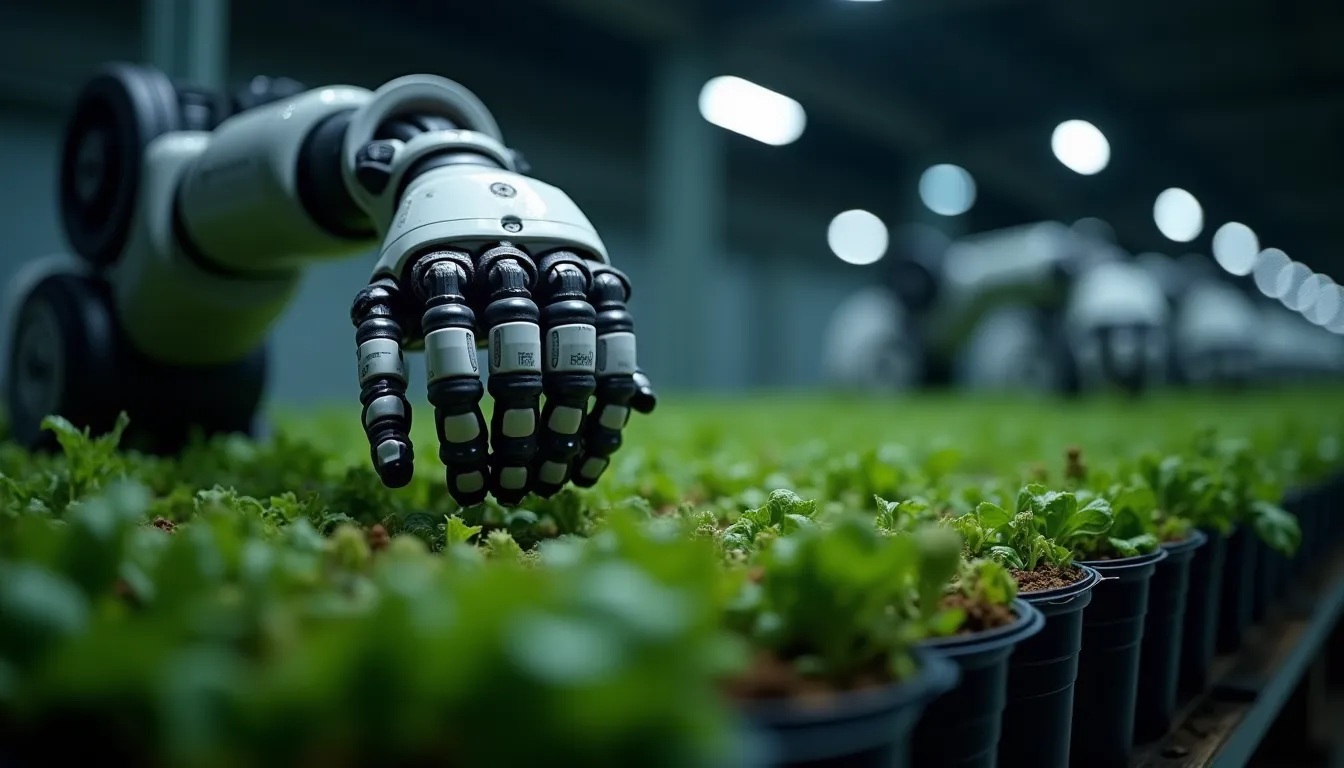
Agricultural Robotics — Automating the Food Supply
Agricultural robotics is the deployment of autonomous machines and AI-driven systems to perform farming tasks traditionally requiring human labor, from planting and harvesting to pest management and soil monitoring.
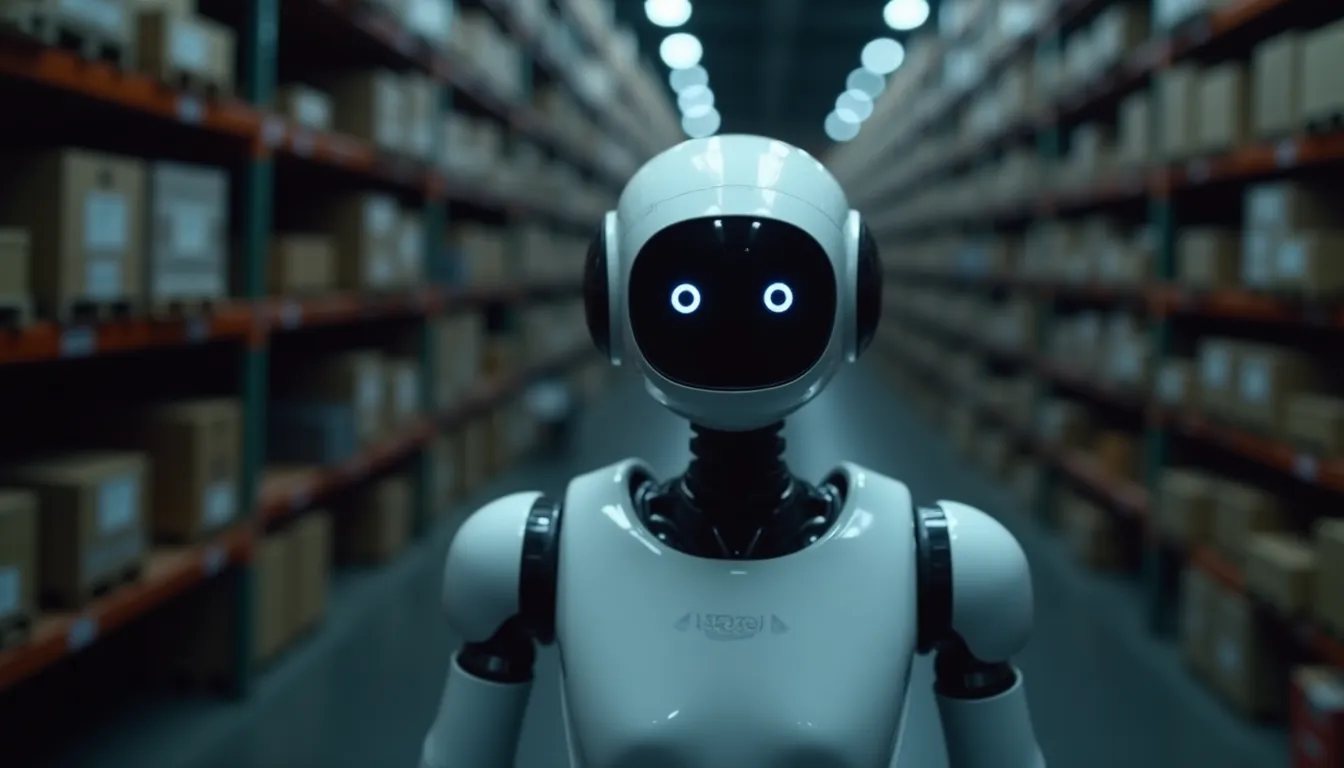
Amazon Deploys Warehouse Robots
Amazon's deployment of warehouse robots represents the largest-scale implementation of robotics automation in logistics history, fundamentally reshaping how e-commerce fulfillment operates.

Autonomous Vehicles — Commercial Deployment Timeline and the Regulatory Path
The commercial deployment of autonomous vehicles represents one of the most complex technology rollouts in modern history, involving intricate coordination between technical capabilities, regulatory frameworks, and public safety requirements.

Autonomous Vehicles — The Long Road to Self-Driving
Autonomous vehicles are comprehensive robotic systems that integrate advanced AI, sensor technologies, and mechanical engineering to enable cars to navigate and make driving decisions without human input, representing the convergence of multiple technological disciplines into a single transformative application.

Boston Dynamics — Engineering the World's Most Advanced Robots
Boston Dynamics is a robotics company that has achieved breakthrough advances in dynamic robot locomotion, creating machines like Atlas and Spot that demonstrate human-like agility and animal-like mobility through sophisticated control algorithms and mechanical design.

Boston Dynamics Atlas Humanoid Robot
The Boston Dynamics Atlas robot represents the pinnacle of humanoid robotics engineering, demonstrating unprecedented agility, balance, and dynamic movement that has redefined what's possible in bipedal robotics.
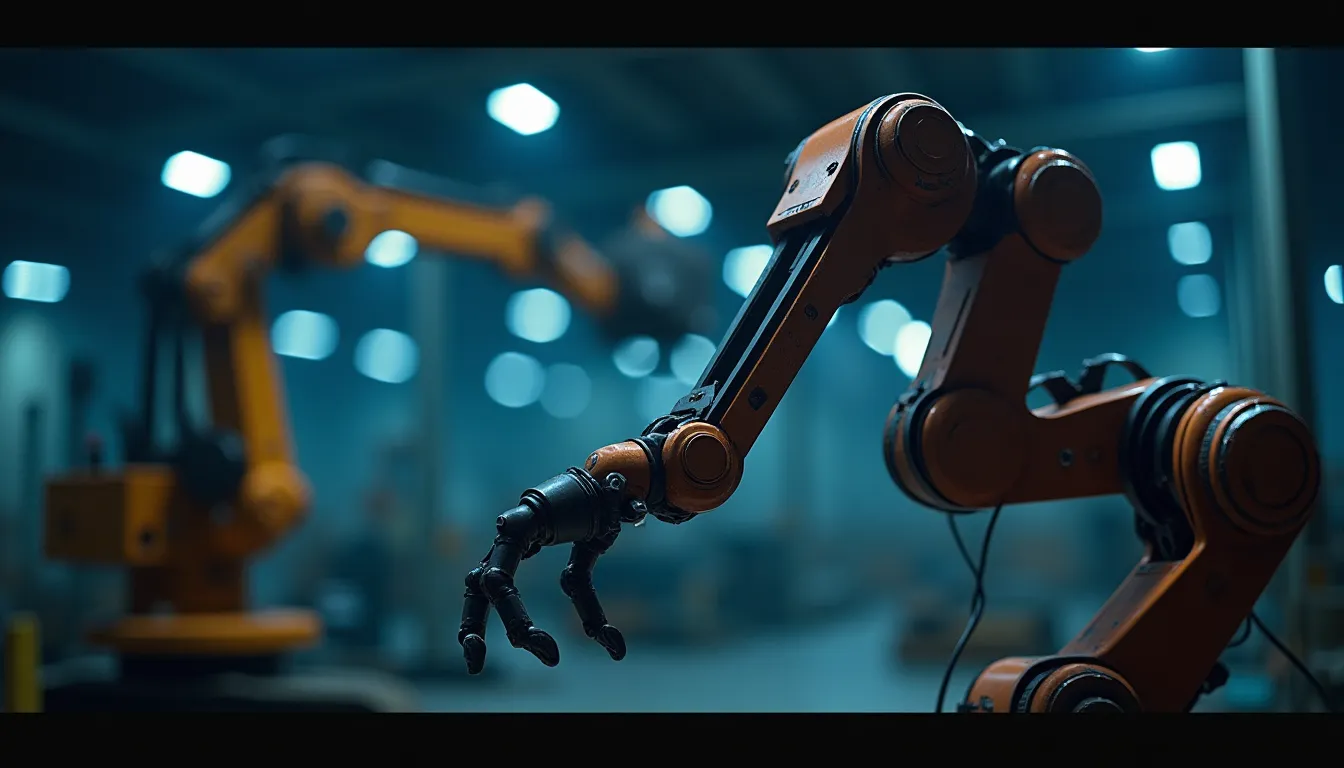
Construction Robotics — Automating the Built Environment
Construction robotics encompasses automated systems that perform traditional building tasks like bricklaying, welding, and 3D printing entire structures, representing a fundamental shift from manual construction methods to precision-driven automation.

DARPA Grand Challenge for Autonomous Vehicles
The DARPA Grand Challenge series (2004-2007) represented the first major breakthrough in autonomous vehicle technology, transforming self-driving cars from science fiction into engineering reality.

Digit at Work — The First Humanoid Robot in Commercial Deployment
Digit at Work is the first humanoid robot to achieve sustained commercial deployment in industrial settings, marking the transition of bipedal robotics from laboratory curiosity to operational workforce technology.
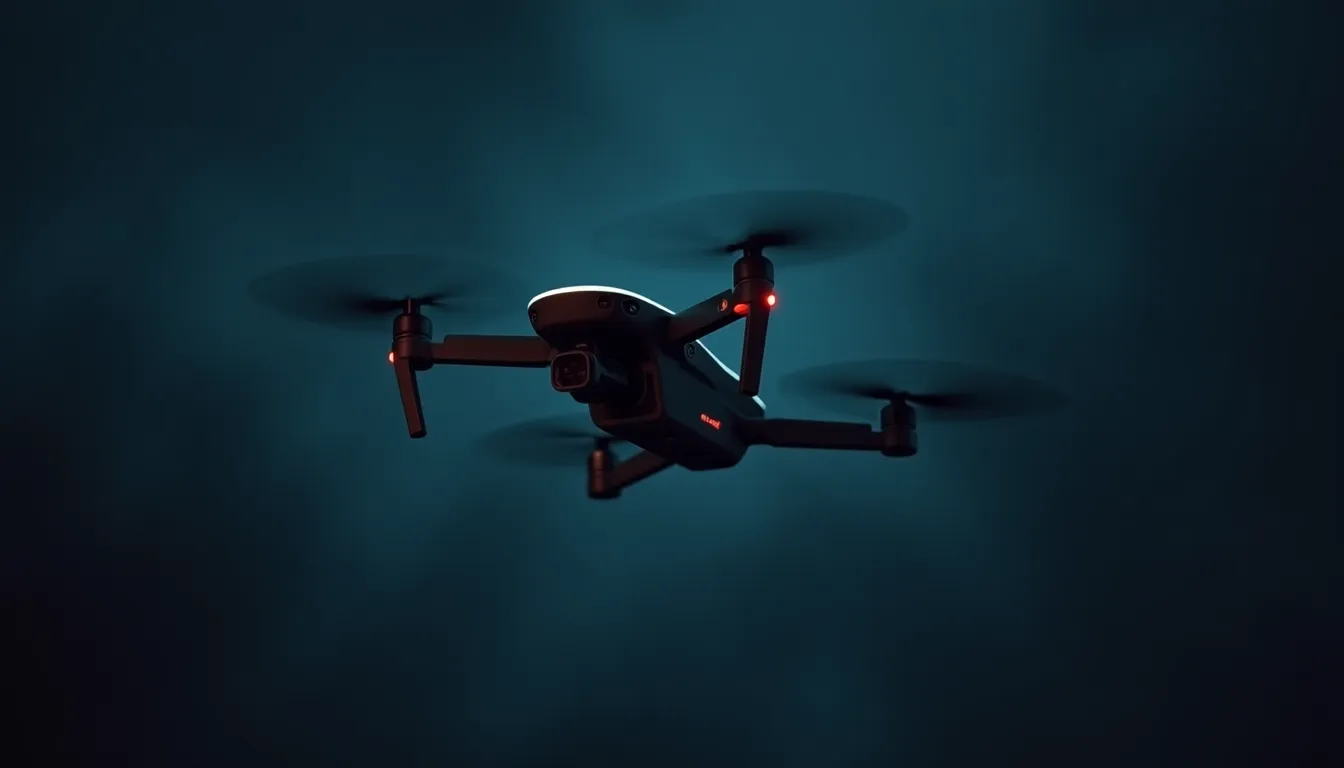
Drone Technology — Autonomous Flight and Its Economic Impact
Drone technology represents the commercialization of autonomous flight systems that can operate independently through advanced sensors, AI navigation, and real-time decision-making algorithms, fundamentally transforming logistics, agriculture, defense, and surveillance operations.

Figure 03 at BMW — Humanoid Robots Enter Automotive Production
Figure 03 at BMW represents the first deployment of humanoid robots in active automotive production, marking the transition from experimental prototypes to practical manufacturing tools that work alongside human operators.
Figure Humanoid Robot
Figure represents a breakthrough in commercial humanoid robotics, developing AI-powered robots designed for real-world workplace integration rather than research demonstrations.

Honda ASIMO Humanoid Robot
Honda's ASIMO was a groundbreaking humanoid robot program spanning three decades (1986-2018) that established fundamental principles of bipedal locomotion and autonomous robot control still used in modern robotics systems.
Humanoid Robot Commercial Deployment — The Race to Scale Physical AI
Humanoid robots are transitioning from research prototypes to commercial deployment across warehouses, manufacturing, and service industries as companies like Figure, 1X, and Agility Robotics compete to scale physical AI.
Humanoid Robots — The Race to Build Human-Form Machines
Humanoid robots are bipedal machines designed with human-like proportions and locomotion capabilities that can operate effectively in environments built for human use, representing a convergence of advanced actuators, sensors, and AI control systems.

Humanoid Robots Enter European Manufacturing
Humanoid robots are entering European manufacturing as the first commercial automation solution designed to work directly alongside humans in existing factory environments without safety barriers or facility modifications.
Industrial Robots — How Machines Transformed Manufacturing
Industrial robots are programmable mechanical systems that have fundamentally transformed manufacturing since the 1960s by automating complex assembly, welding, painting, and precision tasks that were previously performed by human workers.
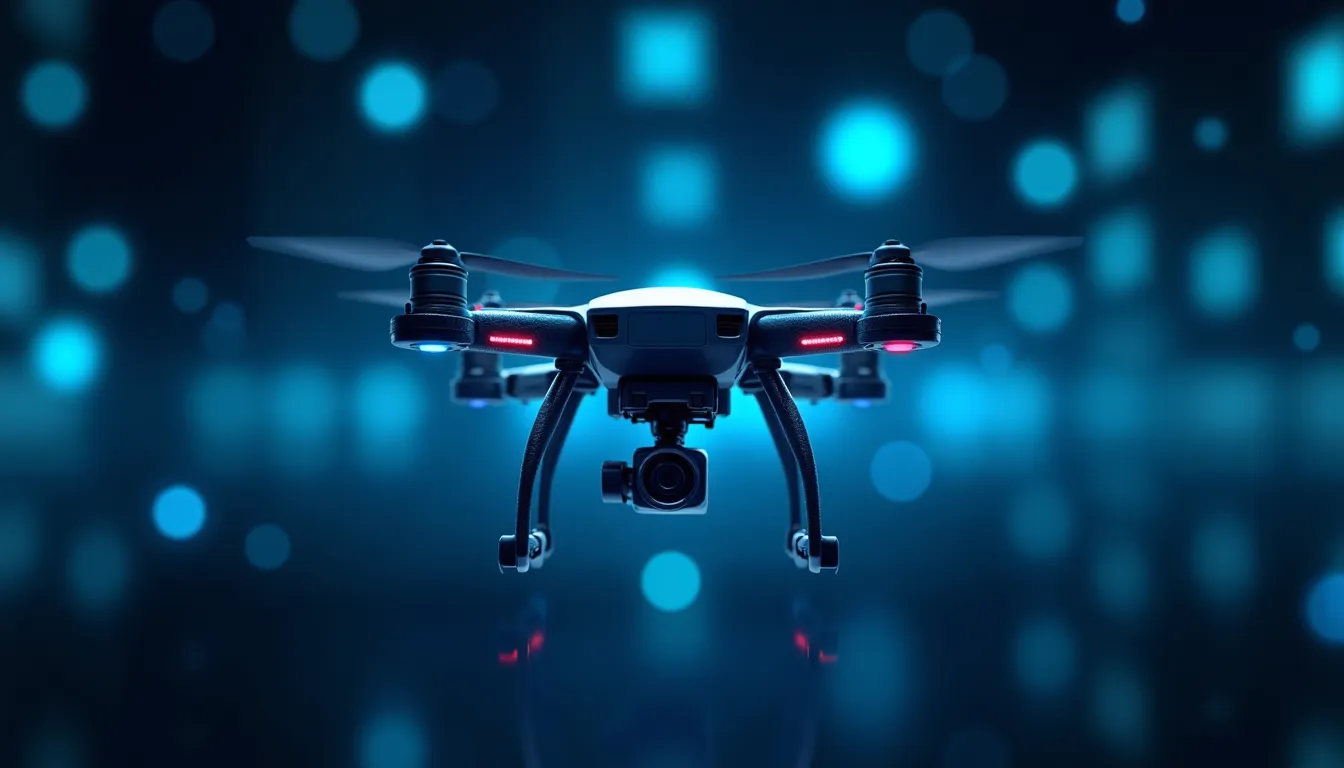
PropTech and AI — Drones, Virtual Staging, and Automated Property Marketing
PropTech combines AI and robotics to revolutionize real estate through automated property marketing, drone inspections, and virtual staging that reduces costs while improving buyer experiences.

Quantum Robotics and Qubots — Where Quantum Computing Meets Autonomous Systems
Quantum robotics represents the convergence of quantum computing principles with autonomous robotic systems, enabling unprecedented optimization capabilities for navigation, coordination, and decision-making.
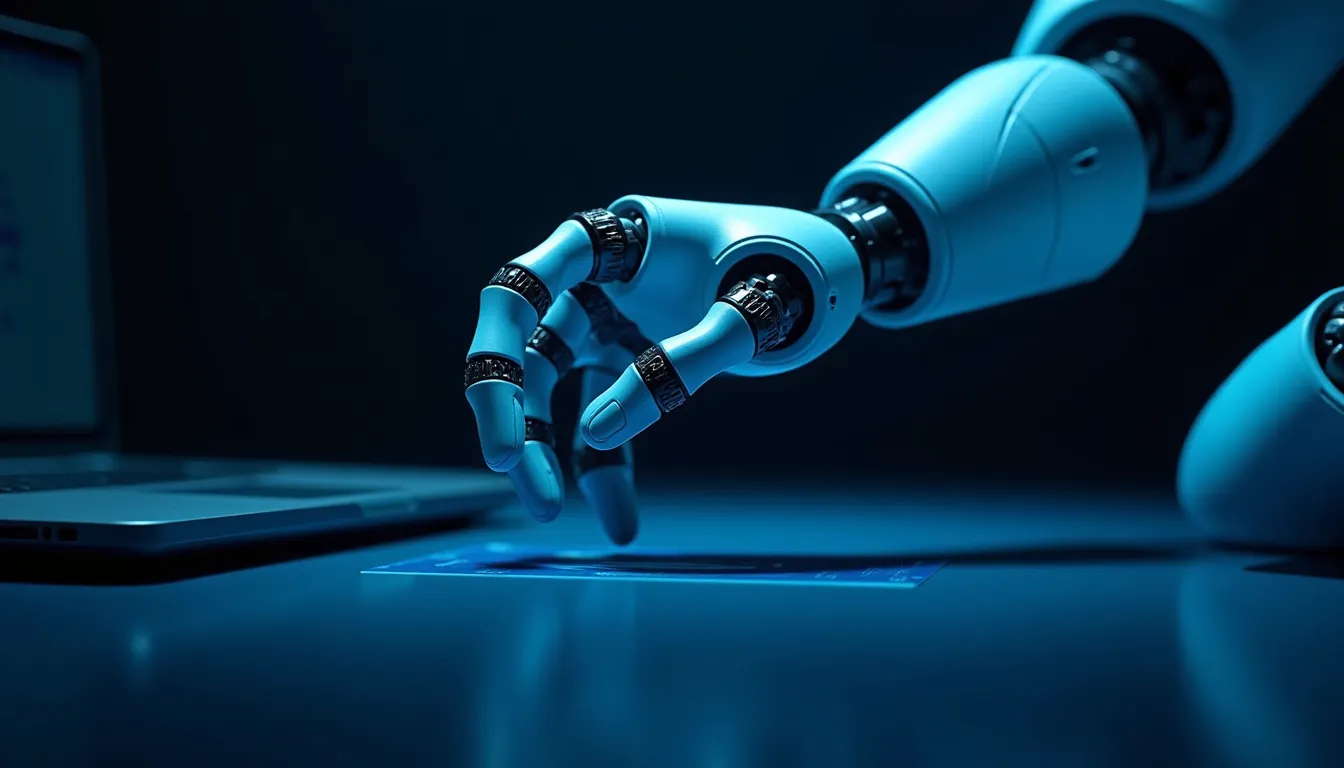
Robotic Manipulation — The Dexterity Frontier and What Human-Level Means
Robotic manipulation represents the ultimate test of physical AI capabilities, requiring machines to interact with unstructured environments using human-level dexterity and reasoning.

Robotics in Property — Construction Robots, Inspection Drones, and Automated Facilities
Robotics technology is transforming the property sector through automated construction, AI-powered building inspections, and intelligent facility management systems.

Roomba: First Mass-Market Consumer Robot
The Roomba revolutionized consumer robotics by proving that autonomous robots could successfully navigate real homes and perform useful tasks at an affordable price point.

Surgical Robotics — How Robots Are Transforming Medicine
Surgical robotics combines precision engineering with computer-assisted control to enable minimally invasive procedures that surpass human dexterity limitations, fundamentally shifting medical practice from traditional open surgery to less traumatic interventions.

Tesla Optimus
Tesla Optimus represents one of the most ambitious attempts to commercialize general-purpose humanoid robots, leveraging Tesla's AI and manufacturing capabilities developed for autonomous vehicles.
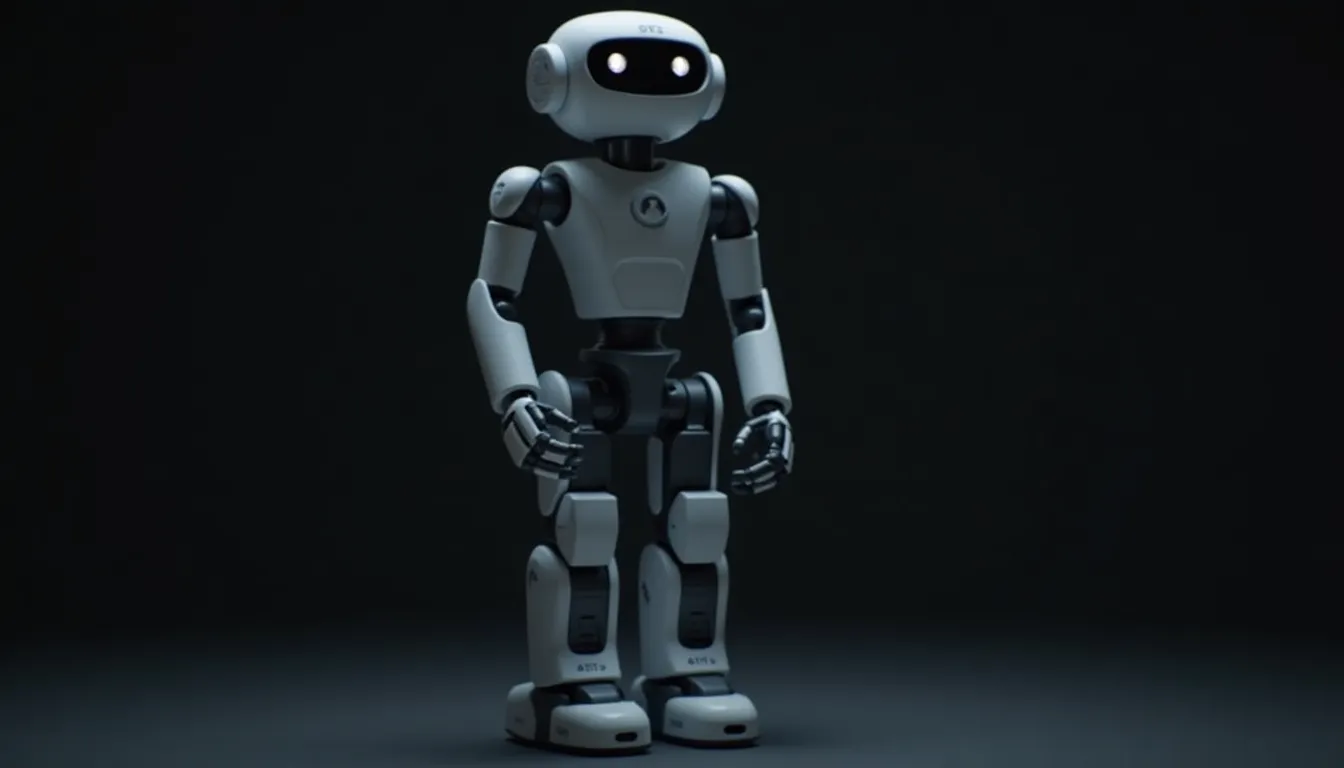
The $5,900 Robot — Unitree R1 and the Race to Affordable Humanoids
The Unitree R1 humanoid robot at $5,900 represents the first commercially viable breakthrough in making advanced robotics accessible beyond research labs and enterprise budgets, fundamentally disrupting traditional humanoid pricing models.
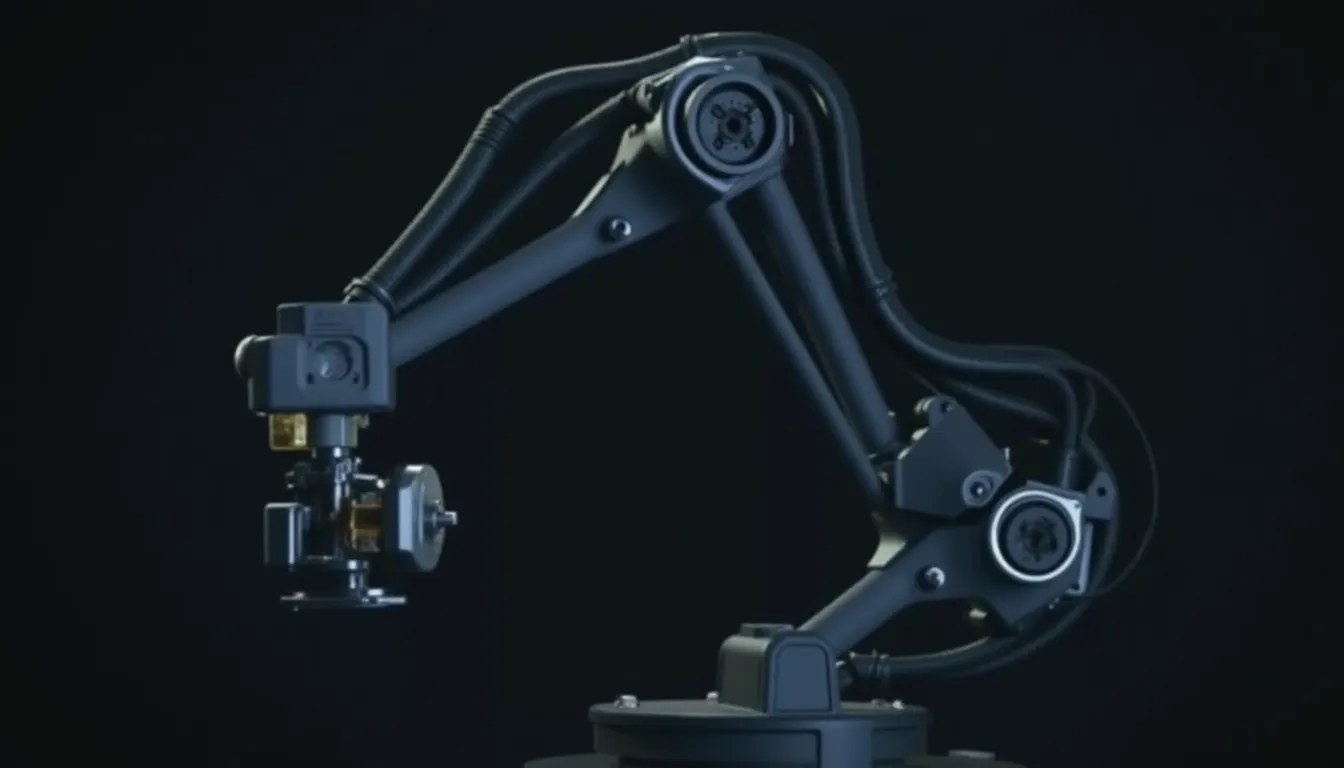
Unimate — The First Industrial Robot Arm
Unimate was the world's first programmable industrial robot arm, installed at General Motors in 1961, marking the beginning of the modern robotics revolution in manufacturing.
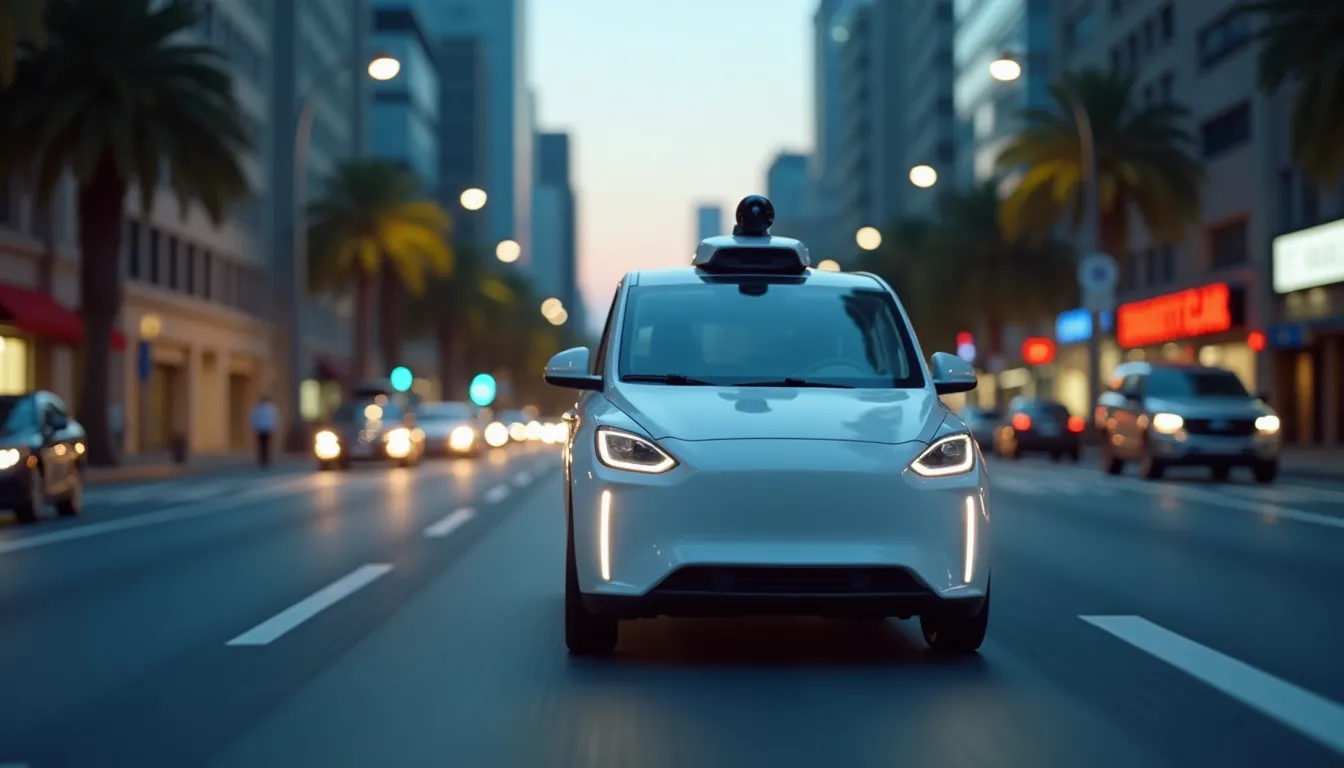
Waymo and the Robotaxi Economy — The Business Case for Autonomous Ride-Hailing
This encyclopedia entry examines Waymo's pioneering role in developing autonomous ride-hailing technology and analyzes the economic fundamentals driving the robotaxi industry, including cost structures, scalability challenges, and market adoption patterns.

Waymo Commercial Robotaxis
Waymo's commercial robotaxi service represents the first large-scale deployment of fully autonomous vehicles for public transportation, operating without human safety drivers in select cities.
Software
11 entries
AI Agent Protocols — How Machines Learn to Talk to Each Other
AI Agent Protocols define the standardized communication frameworks that enable different AI systems to interact, share information, and coordinate tasks without human intervention.

AI Agents — Autonomous Systems That Plan and Act
AI agents are autonomous software systems that perceive their environment, make independent decisions, and execute actions to achieve objectives without following predetermined scripts, representing a fundamental shift from reactive to proactive computing.

AI Coding Goes Mainstream
AI coding tools have evolved from experimental prototypes to essential productivity multipliers that now fundamentally reshape how software is written, with systems like GitHub Copilot and Claude achieving widespread enterprise adoption across development teams.

AI Coding Reaches Majority Adoption — How Software Engineering Changed in One Year
AI coding assistants achieved majority adoption among professional developers in 2024, marking the fastest uptake of any developer tool in computing history and fundamentally transforming software engineering practices.

AI Coding Tools — Cursor, GitHub Copilot, and the Transformation of Software Development
This encyclopedia entry examines how AI-powered coding tools like Cursor and GitHub Copilot are fundamentally reshaping software development practices by automating code generation, debugging, and refactoring processes.
Deep Learning — The Breakthrough That Unlocked Modern AI
Deep learning is a machine learning approach using multi-layered artificial neural networks that automatically extract hierarchical data representations, eliminating the manual feature engineering that previously limited AI capabilities.

MCP Goes Open — The Linux Foundation Takes Stewardship of AI's Universal Standard
The Model Context Protocol (MCP) is a universal framework for AI system interoperability that enables different AI models, applications, and services to share context and data seamlessly across platforms and vendors.

Model Context Protocol — The Standard That Connected AI to the World
The Model Context Protocol (MCP) is a universal standard developed by Anthropic in 2024 that enables AI systems to securely access and interact with external tools and data sources, solving the critical fragmentation problem that had prevented reliable AI integration across software ecosystems.

The Agentic Enterprise — When AI Agents Run the Workflow
The agentic enterprise represents a paradigm shift where AI agents autonomously orchestrate and execute business workflows without continuous human oversight.

The ChatGPT Moment — When AI Went Mainstream
The ChatGPT moment represents the inflection point when artificial intelligence transitioned from a specialized research tool to a mainstream consumer technology, with OpenAI's November 2022 release reaching 100 million users in just two months.
The Transformer Architecture — The Engine Behind Every Modern AI
The Transformer architecture is a neural network design that uses self-attention mechanisms to process sequential data in parallel rather than sequentially, becoming the foundational technology behind all major AI systems including GPT-4, BERT, and Claude.
Economy
19 entries
AI and Employment — Which Jobs Are at Risk and What Gets Created
AI-driven employment transformation represents the first technological disruption to simultaneously threaten both manual and cognitive work across all skill levels, fundamentally altering labor market dynamics in ways that extend far beyond previous industrial revolutions.

AI and Financial Bubbles — How Algorithmic Systems Amplify Speculative Cycles
Algorithmic trading systems and AI-driven investment strategies have fundamentally altered how financial bubbles form and burst by accelerating market movements and creating new feedback loops.
AI and Wealth Concentration — Who Captures the Gains
AI's unique characteristics of high capital requirements, network effects, and technical barriers have created unprecedented wealth concentration among a handful of dominant technology companies, unlike previous technological revolutions that distributed benefits more broadly.
AI and Wealth Generation — How Artificial Intelligence is Reshaping Who Gets Rich
Artificial intelligence is fundamentally altering wealth distribution patterns by creating new categories of winners and losers across industries, regions, and skill levels.
AI in Cryptocurrency — Algorithmic Trading, On-Chain Analytics, and AI Agents
AI systems are transforming cryptocurrency markets through automated trading algorithms, sophisticated blockchain analytics, and autonomous agents that execute complex financial strategies.

AI in Financial Markets — Algorithmic Trading, Robo-Advisors, and the Automation of Finance
This encyclopedia entry examines the transformative role of artificial intelligence in modern finance, covering algorithmic trading systems that execute trades at superhuman speeds, robo-advisors that democratize investment management, and the broader automation of financial services from risk assessment to regulatory compliance.

AI in Real Estate — How Artificial Intelligence is Transforming Property Markets
Artificial intelligence is fundamentally reshaping real estate markets through automated property valuation, predictive analytics, and AI-powered transaction platforms.

AI Outperforms Doctors — The Clinical Diagnosis Breakthrough
Microsoft's MAI-DxO system represents a watershed moment in medical AI, demonstrating superior diagnostic accuracy compared to human doctors across multiple clinical scenarios.

AI Regulation — How Governments Are Responding to the AI Revolution
AI regulation represents governments' attempts to establish legal frameworks governing artificial intelligence development and deployment, addressing safety, ethics, and economic risks while trying not to stifle innovation.

Amazon Founded
Amazon's founding in 1994 by Jeff Bezos marked the beginning of what would become the world's largest e-commerce platform and cloud computing provider.

Bitcoin vs AI — The Battle for Energy
Bitcoin mining and AI computation represent two energy-intensive technologies that are fundamentally competing for the same finite electrical power resources, creating unprecedented strain on global energy infrastructure since 2022.

Google Founded
Google's founding in 1998 by Stanford PhD students Larry Page and Sergey Brin created the world's dominant search engine through their revolutionary PageRank algorithm, fundamentally reshaping how humans access and organize information globally.
Investing in the AI Revolution — A Guide for Wealth-Aware Investors
8 trillion by 2030 representing a 37% compound annual growth rate that fundamentally reshapes traditional investment paradigms.

Investing in the Quantum Computing Race — Companies, Timelines, and Commercial Reality
The quantum computing investment landscape represents one of the most speculative yet potentially transformative sectors in technology, with companies like IBM, IonQ, and Rigetti competing to achieve quantum advantage in commercial applications.

OpenAI Founded
OpenAI's founding in 2015 marked the first major AI research laboratory explicitly structured around the goal of developing artificial general intelligence that benefits humanity broadly rather than concentrating power among a few entities.

Robotics and Housing — How Construction Automation Could Solve the Housing Crisis
Construction robotics represents the application of automated systems to homebuilding processes, with the potential to reduce costs by 20-50% and construction time by 30-70% through precision assembly, reduced labor requirements, and standardized manufacturing approaches.

Silver, Chips, and Solar — The Precious Metal Powering the AI Revolution
Silver functions as a critical industrial commodity that enables both AI computing infrastructure and renewable energy systems through its superior electrical conductivity and thermal properties in semiconductors and photovoltaic cells.

The AI Productivity Paradox — Why Gains Don't Show Up in GDP Yet
The AI Productivity Paradox describes the disconnect between massive corporate and government investments in artificial intelligence technologies and the absence of corresponding increases in measured economic productivity or GDP growth.

The EU AI Act — The World's First AI Regulation Enters Force
The EU AI Act is the world's first comprehensive legal framework for artificial intelligence, establishing a risk-based regulatory approach that categorizes AI systems by their potential impact on fundamental rights and safety.
Infrastructure
12 entries
Battery Technology — The Race to Power Robots and Electric Vehicles
Battery technology represents the critical bottleneck determining the viability of electric vehicles and autonomous robots, with performance trade-offs between energy density, power output, charging speed, and safety defining operational limits across applications.

Grid-Scale Battery Storage — Technologies, Costs, and the Energy Transition
Grid-scale battery storage systems store electricity generated during peak production periods and release it when demand exceeds supply, enabling renewable energy integration and grid stability.

ITER — The International Fusion Reactor, Its Timeline, and What First Plasma Means
ITER is the world's largest experimental nuclear fusion reactor under construction in France, designed to demonstrate that fusion can produce more energy than it consumes.

Nuclear Fusion — Economics, Timeline, and the Path to Commercial Power
Nuclear fusion represents humanity's most ambitious energy project, promising unlimited clean power by replicating the sun's energy production process on Earth.
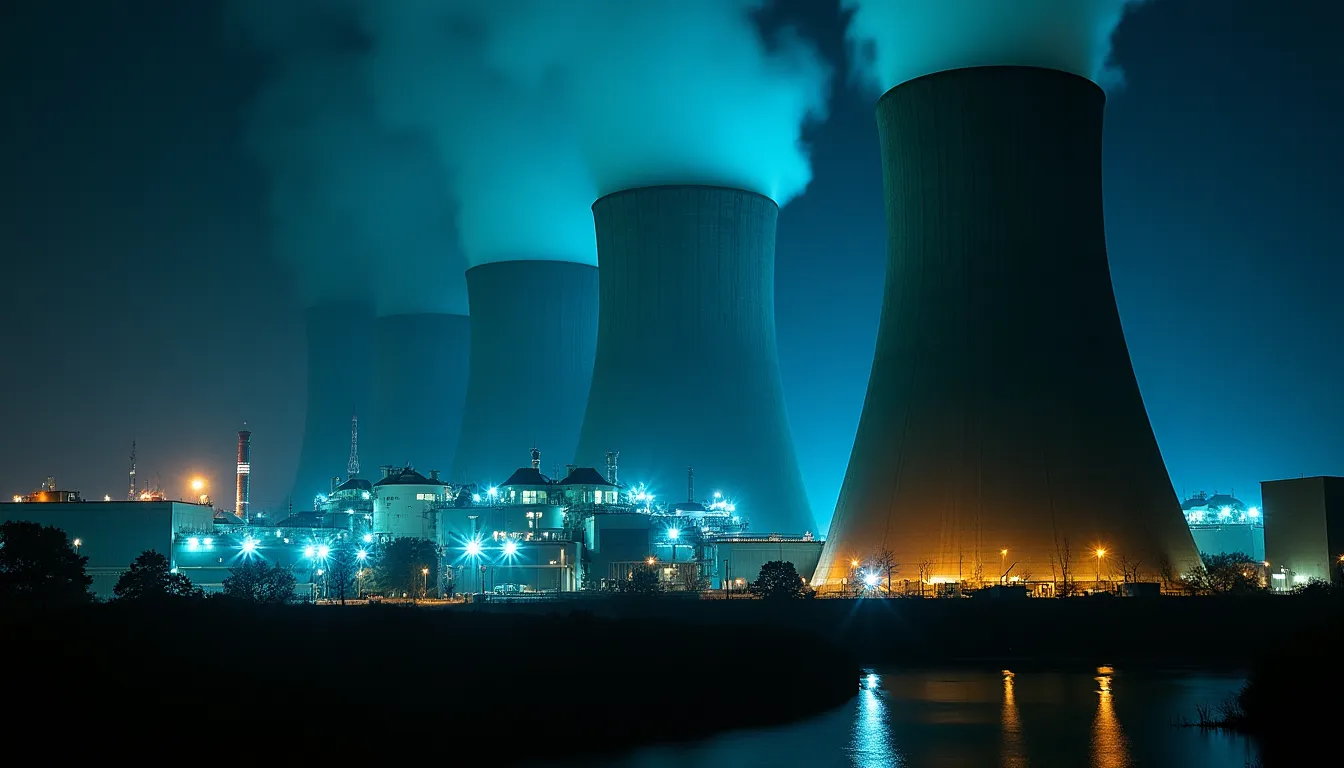
Nuclear Revival — Why AI Companies Are Buying Reactors
AI companies are driving an unprecedented nuclear power renaissance, with tech giants like Microsoft and Google signing multi-billion dollar reactor deals to meet their explosive energy demands.

Power Purchase Agreements — How Hyperscalers Source Clean Energy for AI
Power Purchase Agreements (PPAs) have become the primary mechanism for hyperscale cloud providers to secure renewable energy at the massive scale required for AI data centers.

Small Modular Reactors — How SMRs Could Power the AI Economy
Small Modular Reactors (SMRs) represent a new generation of nuclear power systems designed to be factory-built, standardized, and deployed at smaller scales than traditional nuclear plants.
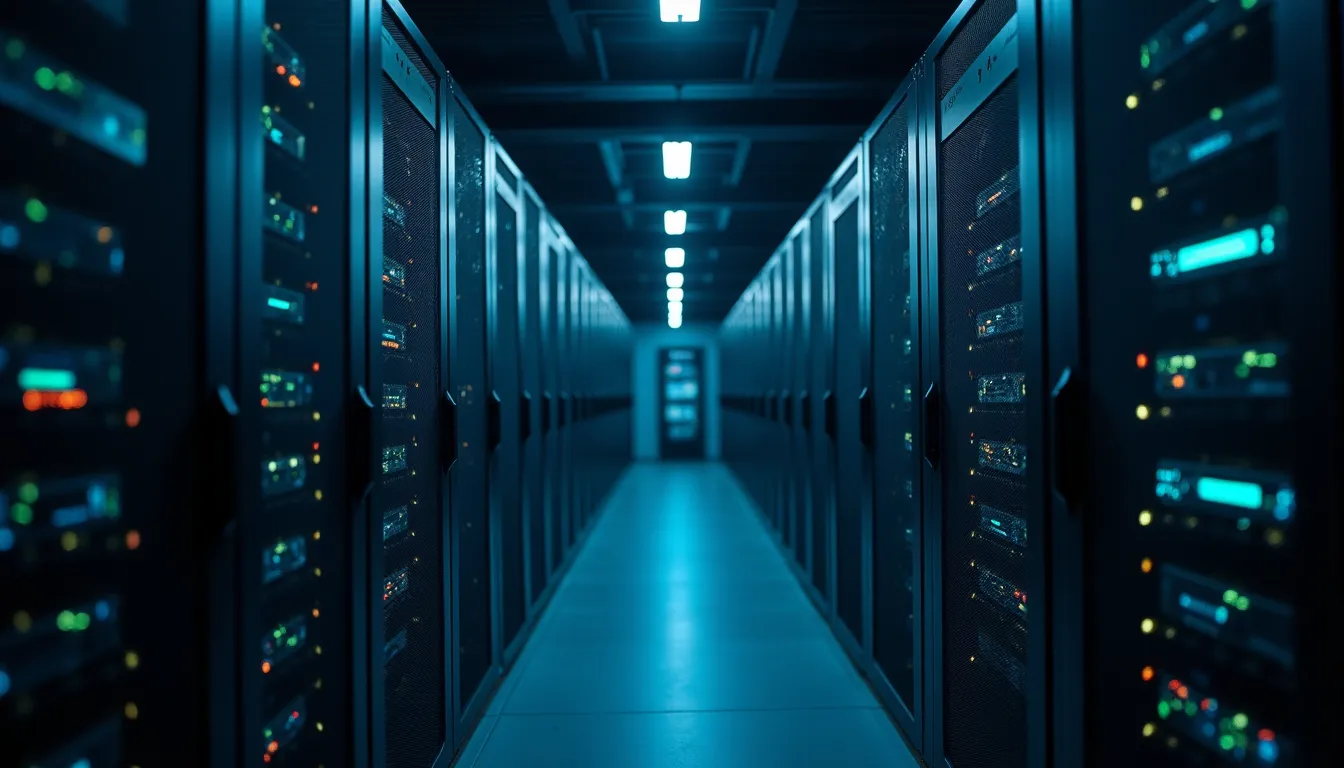
The Data Centre Power Crisis — How AI Is Reshaping Global Energy Infrastructure
The data centre power crisis represents the collision between exponentially growing AI computational demands and the physical limitations of existing electrical grid infrastructure, creating a fundamental constraint on AI development and deployment.

The Economics of AI Power — Who Pays for the Electricity Bill
AI training and operation costs have created a new form of technological stratification where electricity consumption becomes a primary barrier to entry, with GPT-4's training alone requiring over 50 GWh and $2-4 million in power costs.

The Energy Cost of AI — Training Runs, Inference, and the Data Centre Power Crisis
AI systems consume enormous amounts of electricity during both training and inference phases, with large language models requiring megawatts of power equivalent to thousands of homes.

The Hydrogen Economy — Fuel Cells, Green Hydrogen, and Industrial Decarbonisation
The hydrogen economy represents a comprehensive energy system where hydrogen serves as a primary fuel and energy storage medium, potentially revolutionizing how we produce, store, and consume energy across transportation, industrial, and power generation sectors.
The Semiconductor Energy Footprint — How Chip Manufacturing Consumes Power
Semiconductor manufacturing represents one of the most energy-intensive industrial processes, with modern chip fabrication facilities consuming as much electricity as small cities.