Key Takeaways
- ▸PropTech integrates AI, robotics, and various technologies to streamline real estate operations, addressing challenges like high marketing costs and inefficient data collection.
- ▸The global PropTech market is projected for significant growth, highlighting its increasing importance and investment opportunities.
- ▸Drones offer revolutionary capabilities for real estate, providing advanced aerial imaging, detailed inspections, and accurate surveying, enhancing both safety and data quality.
- ▸The adoption of PropTech solutions like drones and virtual staging leads to cost reductions, faster transaction times, and improved client satisfaction for real estate professionals.
Key Facts
- Market Growth
- Global PropTech market expected to reach $86.5 billion by 2032
- Drone Applications
- Aerial photography, roof inspections, land surveying, and property mapping
- Virtual Staging Cost Savings
- 90% less expensive than traditional physical staging
- AI Marketing Features
- Automated listing descriptions, price optimization, and lead qualification
- Processing Speed
- AI can generate property descriptions and marketing materials in minutes vs. hours
- Inspection Accuracy
- Drone inspections detect structural issues with 95%+ accuracy
Introduction
PropTech represents the convergence of property technology, artificial intelligence, and robotics that is fundamentally transforming the real estate industry. This technological revolution encompasses automated property marketing systems, drone-based inspections, virtual staging platforms, and AI-driven analytics that streamline operations while enhancing buyer and seller experiences. The integration of these technologies addresses traditional real estate challenges including high marketing costs, time-intensive property showcasing, and inefficient data collection processes.
The economic implications of PropTech adoption extend beyond operational efficiency gains. Real estate professionals leveraging these technologies report significant cost reductions, faster transaction cycles, and improved client satisfaction rates. For investors and industry stakeholders, understanding PropTech capabilities becomes crucial for identifying market opportunities and evaluating real estate service providers.
Modern PropTech solutions integrate multiple technologies to create comprehensive property marketing and analysis ecosystems. These platforms combine drone imagery, AI-generated content, virtual staging, and automated valuation models to provide end-to-end property marketing solutions that were previously requiring substantial human resources and extended timeframes.
Drone Technology in Real Estate
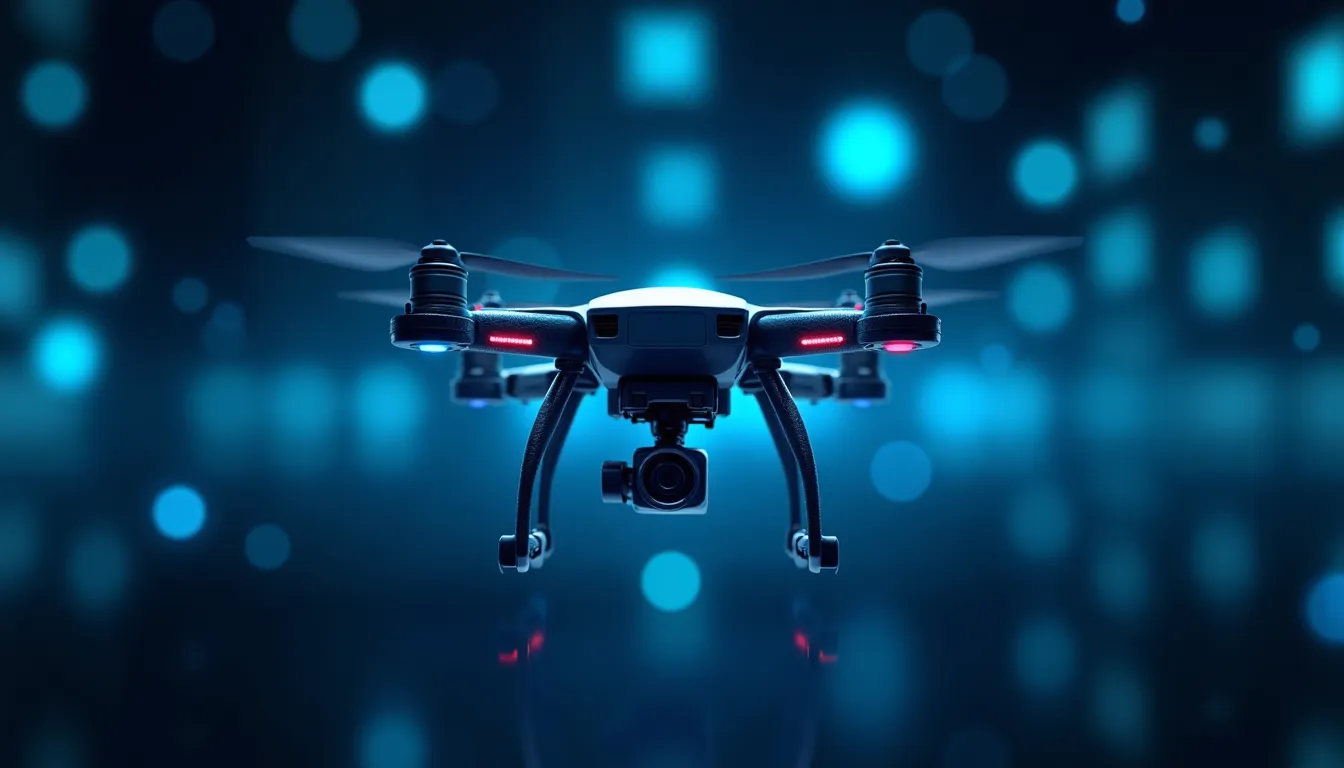
Drone technology has revolutionized property inspection, marketing, and surveying processes through advanced aerial imaging and data collection capabilities. Modern real estate drones equipped with high-resolution cameras, LiDAR sensors, and thermal imaging equipment provide comprehensive property analysis that surpasses traditional ground-based inspection methods. These systems enable real estate professionals to capture stunning aerial photography, conduct detailed roof inspections, perform land surveys, and create accurate property maps.
The applications of drone technology span multiple aspects of real estate operations. Aerial photography creates compelling marketing materials that showcase property features, neighborhood amenities, and surrounding landscapes from perspectives impossible with traditional photography. Roof inspections conducted via drone eliminate safety risks while providing detailed documentation of structural conditions, identifying potential issues before they become costly problems.
Commercial real estate particularly benefits from drone surveying capabilities that accurately map large properties, industrial facilities, and development sites. These surveys provide precise measurements, topographical data, and boundary identification that support property valuation, development planning, and due diligence processes. The speed and accuracy of drone-based surveys significantly reduce the time and cost associated with traditional surveying methods.
Regulatory Compliance and Licensing
Operating drones for commercial real estate purposes requires adherence to Federal Aviation Administration (FAA) regulations and obtaining appropriate licensing. Real estate professionals must secure Part 107 Remote Pilot Certificates and understand airspace restrictions, flight operation rules, and privacy considerations. Compliance with local ordinances and homeowner association guidelines adds additional complexity to drone operations in residential markets.
Virtual Staging and 3D Visualization
Virtual staging leverages advanced computer graphics and AI algorithms to digitally furnish and decorate empty properties, creating compelling visual presentations that help potential buyers envision living spaces. This technology addresses one of the most significant challenges in real estate marketing—showcasing empty properties that can appear stark and uninviting to prospective buyers. Virtual staging platforms use sophisticated rendering engines to place realistic furniture, artwork, and decor elements into property photographs.
The economic advantages of virtual staging are substantial. Traditional physical staging can cost thousands of dollars per month for furniture rental, delivery, and styling services, while virtual staging typically costs hundreds of dollars per room with no ongoing rental fees. This cost differential enables real estate agents to stage multiple rooms and create various design scenarios without the logistical challenges of physical furniture management.
3D visualization technology extends beyond static images to create immersive virtual tours that allow potential buyers to explore properties remotely. These interactive experiences include virtual walkthroughs, 360-degree room views, and augmented reality features that overlay information about room dimensions, fixtures, and property features. Advanced platforms integrate floor plans, measurement tools, and customization options that enhance the remote property viewing experience.
Implementation and Quality Standards
Successful virtual staging implementation requires high-quality photography as the foundation for digital enhancement. Professional real estate photographers must capture images with proper lighting, composition, and resolution to support realistic virtual staging results. Quality standards include color accuracy, shadow consistency, and perspective matching to ensure virtual elements integrate seamlessly with the original photography.
AI-Powered Property Marketing
Artificial intelligence transforms property marketing through automated content generation, price optimization algorithms, and intelligent lead qualification systems. AI marketing platforms analyze property features, neighborhood data, and market trends to generate compelling listing descriptions, identify optimal pricing strategies, and target potential buyers with personalized marketing messages. These systems process vast amounts of data to create marketing materials that would traditionally require hours of human effort.
Modern AI marketing tools incorporate natural language processing to create engaging property descriptions that highlight key features, neighborhood amenities, and unique selling points. These systems analyze successful listing patterns, buyer preferences, and market terminology to generate descriptions that resonate with target audiences. Advanced platforms customize content for different marketing channels, adjusting tone and emphasis for MLS listings, social media posts, and premium marketing materials.
Lead qualification represents another critical AI application in real estate marketing. Machine learning algorithms analyze potential buyer behavior, financial qualifications, and preference patterns to identify high-quality leads and prioritize follow-up efforts. These systems track website interactions, inquiry patterns, and engagement metrics to score leads and recommend personalized marketing approaches.
Dynamic Pricing Optimization
AI-powered pricing algorithms continuously analyze market conditions, comparable sales, and property-specific factors to recommend optimal listing prices and price adjustments. These systems incorporate seasonal trends, local market dynamics, and buyer demand patterns to suggest pricing strategies that maximize sale probability while achieving competitive market values.
Automated Valuation Models
Automated Valuation Models (AVMs) utilize machine learning algorithms and big data analytics to estimate property values without traditional appraisal processes. These sophisticated systems analyze comparable sales, property characteristics, neighborhood trends, and market conditions to generate instant property valuations that support decision-making for buyers, sellers, and lenders. AVMs process thousands of data points including square footage, lot size, age, condition, and local market factors to produce statistically-driven value estimates.
The accuracy of modern AVMs continues to improve through enhanced data sources and refined algorithms. Leading platforms incorporate satellite imagery analysis, local permit records, tax assessment data, and recent transaction patterns to create comprehensive property profiles. These systems provide confidence intervals and accuracy metrics that help users understand the reliability of generated valuations for different property types and market conditions.
Financial institutions increasingly rely on AVMs for loan origination, portfolio management, and risk assessment processes. The speed and consistency of automated valuations enable faster loan approvals while reducing appraisal costs for routine transactions. However, complex properties, unique characteristics, or volatile markets may still require traditional appraisal methods to ensure accurate valuations.
Computer Vision for Property Analysis
Computer vision technology analyzes property images and videos to extract detailed information about structural conditions, amenities, and marketable features. Advanced image recognition algorithms identify architectural styles, room types, fixtures, appliances, and potential maintenance issues from photographs and video content. This technology automates property assessment processes that traditionally required manual inspection and documentation.
Machine learning models trained on millions of property images can detect specific features such as hardwood floors, granite countertops, stainless steel appliances, and architectural details that influence property values. These systems generate detailed property feature reports that support accurate MLS listings, marketing materials, and valuation assessments. Computer vision also identifies potential issues such as structural damage, outdated systems, or maintenance needs that require professional attention.
Damage assessment applications prove particularly valuable for insurance claims, property inspections, and due diligence processes. Computer vision systems analyze exterior and interior images to identify roof damage, foundation issues, water damage, and other structural problems with high accuracy rates. These automated assessments provide consistent, objective analysis that supports faster claim processing and repair cost estimation.
Market Impact and Adoption Rates
The adoption of PropTech solutions varies significantly across market segments, with luxury residential and commercial real estate leading implementation rates. High-value properties justify the investment in advanced marketing technologies, while volume-focused residential markets adopt solutions based on cost-per-transaction benefits. Real estate brokerages report measurable improvements in listing performance, reduced time-on-market, and enhanced client satisfaction from PropTech implementations.
Market research indicates that properties marketed with virtual staging and professional drone photography receive significantly more online views and buyer inquiries compared to traditionally marketed listings. The visual appeal and comprehensive presentation enabled by these technologies create competitive advantages in crowded real estate markets. Agents utilizing AI-powered marketing tools report improved lead conversion rates and more efficient client communication processes.
Properties leveraging comprehensive PropTech marketing strategies demonstrate measurably superior market performance compared to traditional marketing approaches, with faster sale times and higher buyer engagement rates.
The economic impact extends to real estate service providers who can offer enhanced services while managing larger property portfolios with existing staff resources. PropTech implementations enable scalability improvements that support business growth without proportional increases in operational costs.
Regulatory Considerations
The regulatory landscape for PropTech applications encompasses multiple jurisdictions and regulatory bodies with varying requirements for drone operations, data privacy, and professional licensing. Real estate professionals must navigate FAA regulations for commercial drone use, state real estate licensing requirements, and local zoning restrictions that may limit technology deployment. Understanding these regulatory frameworks prevents legal complications and ensures compliant operations.
Data privacy regulations such as GDPR and state privacy laws impact how PropTech platforms collect, store, and process personal information from property listings and buyer interactions. Real estate professionals must ensure their technology vendors provide adequate data protection measures and comply with applicable privacy requirements. This includes obtaining proper consent for data collection and providing transparency about data usage practices.
Professional liability considerations arise when utilizing automated valuation models, AI-generated marketing content, and automated property assessments. Real estate professionals must understand the limitations of these technologies and maintain appropriate oversight to ensure accuracy and compliance with professional standards. Insurance coverage should address potential errors or omissions related to technology-assisted services.
Future Developments and Trends
The future of PropTech involves deeper integration of artificial intelligence, expanded automation capabilities, and enhanced immersive technologies that further streamline real estate processes. Emerging developments include predictive analytics for market forecasting, blockchain-based transaction processing, and Internet of Things (IoT) integration for smart property monitoring. These technologies promise to create more efficient, transparent, and data-driven real estate markets.
Virtual and augmented reality technologies continue evolving toward more sophisticated immersive experiences that allow remote property touring with unprecedented realism. Future platforms may enable virtual property modifications, allowing potential buyers to visualize renovations, layout changes, and personalization options before making purchase decisions. These capabilities could significantly impact buyer decision-making processes and property development strategies.
Artificial intelligence advancement will likely produce more sophisticated natural language processing for client interactions, enhanced predictive modeling for market analysis, and improved computer vision capabilities for property assessment. The integration of multiple AI technologies into comprehensive PropTech platforms will create more powerful tools for real estate professionals while reducing the complexity of managing separate systems.
For real estate investors and industry stakeholders, monitoring PropTech developments provides insights into market direction and competitive positioning. Companies successfully implementing these technologies gain operational advantages that translate into improved financial performance and market share growth, making PropTech adoption a strategic imperative rather than merely a technological upgrade.
Frequently Asked Questions
What is PropTech?
PropTech is property technology that integrates AI and robotics into the real estate industry, transforming operations from marketing to inspections and analytics.
What are some examples of PropTech in action?
Examples include automated property marketing systems, drone-based inspections, virtual staging platforms, and AI-driven analytics.
How does PropTech benefit real estate professionals?
PropTech leads to significant cost reductions, faster transaction cycles, improved client satisfaction rates, and enhanced operational efficiency.
What is the role of drone technology in real estate?
Drone technology revolutionizes property inspection, marketing, and surveying through advanced aerial imaging, LiDAR sensors, and thermal imaging equipment, providing comprehensive property analysis and creating compelling marketing materials.
What kind of data can drones collect for real estate?
Drones can collect high-resolution aerial photography, conduct detailed roof inspections, perform land surveys, and create accurate property maps.
Get MachineHours in your inbox
AI compute and the machine economy in your inbox.