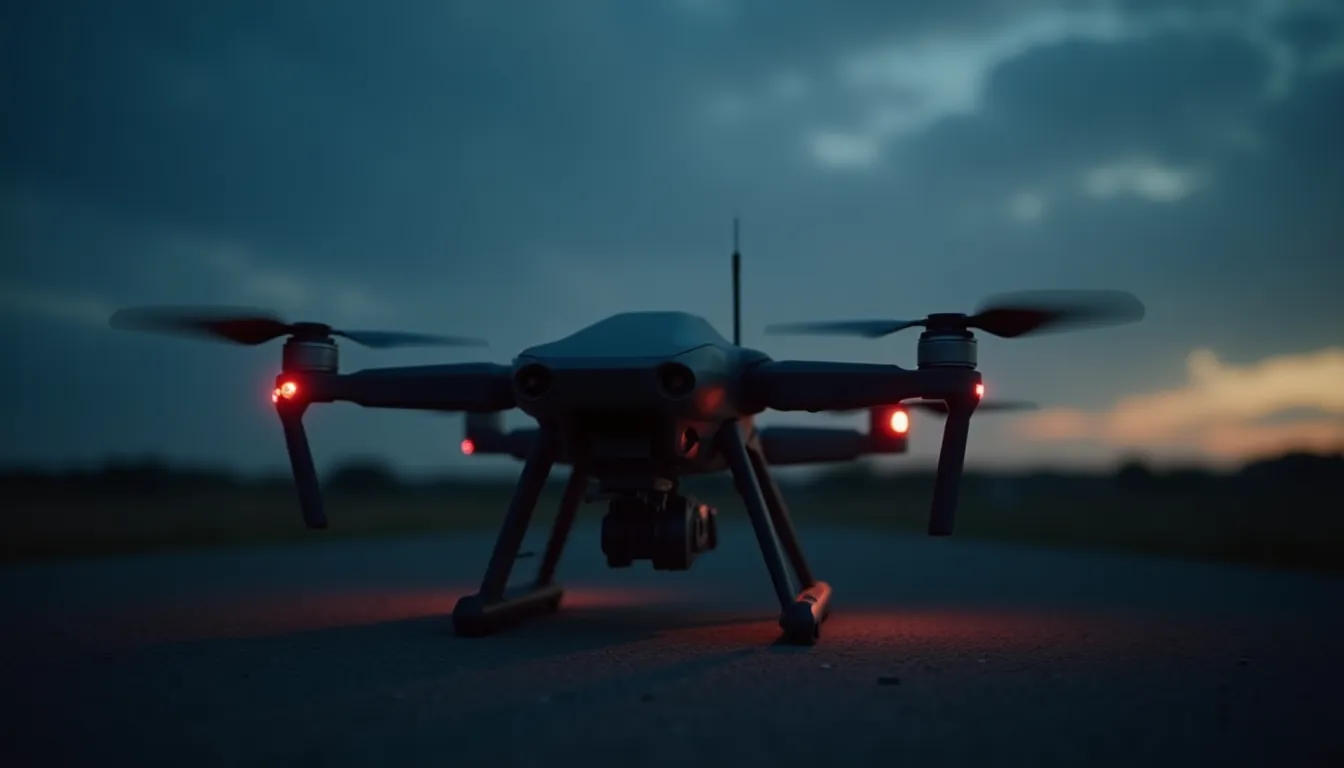
Zone 5 says its Eclipse interceptor has found a spot in the drone defense market, as Germany rethinks MQ-28 purchases and the Army eyes XM30 open architecture.
Key Takeaways
- Zone 5's CEO says its new Eclipse interceptor has found a niche in the crowded drone interceptor market.
- Germany has reversed course on plans to buy Boeing's MQ-28 drone wingman, per a Boeing official.
- A senior Army official called open system architecture 'hyper important' for the XM30 vehicle downselect.
- The Army expects 'some impact' as a critical minerals deadline approaches.
- SpaceNews detailed NASA's current thinking on planning a lunar base.
- All reports were published by Breaking Defense and SpaceNews on October 15-16, 2026.
Zone 5's chief executive says the company has carved out a defensible niche in the increasingly crowded counter-drone market with its new Eclipse interceptor, according to Breaking Defense. The claim arrives alongside three other procurement-focused stories out this week, from Germany's reversal on a Boeing drone wingman purchase to the US Army's rules for its next armored vehicle program.
What Happened
Zone 5's leadership told Breaking Defense that Eclipse has found traction in a market now flooded with interceptor startups chasing the same low-cost drone threats that have defined recent conflicts. The company declined to comment on an expected price tag for the Eclipse, citing variable payload options that affect final cost., in a sector where dozens of vendors are now pitching similar hardware to the Pentagon and allied buyers.
Separately, Breaking Defense reported that Germany has changed course on plans to acquire Boeing's MQ-28 Ghost Bat drone wingman, according to a Boeing official. The shift signals that even established primes with flight-proven platforms face volatile procurement decisions as European defense ministries revisit budgets and requirements.
On the Army side, a senior official told Breaking Defense that open system architecture will be, in the official's words, "hyper important" when the service narrows its field of competitors for the XM30 combat vehicle program. The comment points to a procurement philosophy increasingly favoring modular, vendor-agnostic designs over proprietary systems locked to a single contractor.
The Army is also bracing for supply chain friction. Breaking Defense reported that the service expects "some impact" as a critical minerals deadline approaches, a sign that materials sourcing is now a procurement risk factor alongside cost and schedule.
On the exploration side, SpaceNews detailed how NASA is approaching the design and planning of a lunar base, a program that will eventually generate its own wave of contracting decisions across habitat, power, and logistics vendors.
Why It Matters
Taken together, these stories describe a procurement environment where buyers, not just builders, are driving outcomes. Germany's MQ-28 reversal and the Army's XM30 architecture mandate both show governments pushing back against vendor lock-in and single-source dependency. Zone 5's attempt to differentiate in a saturated interceptor field reflects the same pressure from the supplier side: generic hardware no longer guarantees a contract. For investors tracking this shift, defence and space sector equity analysis increasingly treats procurement flexibility and open standards as a proxy for which contractors will survive the next budget cycle.
Background
Open architecture requirements and multi-vendor competitions have become standard tools for defense buyers trying to avoid the cost overruns associated with proprietary systems. While this week's stories center on military hardware rather than commercial robotics, the underlying dynamic, where automated systems must prove value against crowded and standardized competition, echoes trends covered in MachineHours' PropTech and AI encyclopedia entry on automated inspection and marketing tools entering commercial markets.
What to Watch
Watch whether Zone 5 discloses specific contract wins for Eclipse in the coming months, which would validate the CEO's claim of market traction. The Army's XM30 downselect will test how seriously the open architecture mandate is enforced against legacy contractor relationships. Germany's next move on drone wingman procurement, whether toward a domestic alternative or a revised Boeing deal, will signal how much use European buyers now hold over US primes.
Sources
- Breaking Defense: Zone 5 'found a spot' in drone interceptor market with new Eclipse: CEO
- Breaking Defense: Germany changes course on plans to buy MQ-28 drone wingman: Boeing official
- Breaking Defense: Open system architecture will be 'hyper important' in downselect of Army's XM30: Senior official
- Breaking Defense: As critical mineral deadline looms, Army expects to feel 'some impact'
- SpaceNews: How NASA is thinking about a moon base
- MachineHours Encyclopedia: PropTech and AI — Drones, Virtual Staging, and Automated Property Marketing
Frequently Asked Questions
What is Zone 5's Eclipse interceptor?
Eclipse is a new drone interceptor system from Zone 5, which the company's CEO says has found a distinct position in an increasingly crowded counter-drone market, according to Breaking Defense.
Why did Germany change course on the MQ-28 drone wingman?
A Boeing official told Breaking Defense that Germany has shifted its plans for acquiring the MQ-28, though specific reasons for the reversal were not detailed in the report.
What does open system architecture mean for the Army's XM30 program?
A senior Army official said open system architecture will be critical when the service narrows down competitors for its XM30 combat vehicle, favoring modular designs over systems tied to a single contractor.
How are critical minerals affecting Army procurement?
Breaking Defense reported the Army expects to feel some impact as a critical minerals deadline approaches, highlighting materials sourcing as a growing procurement risk.
What is NASA's current approach to a moon base?
SpaceNews reported on how NASA is currently thinking through the planning and design considerations for a future lunar base, though the article did not specify a construction timeline.