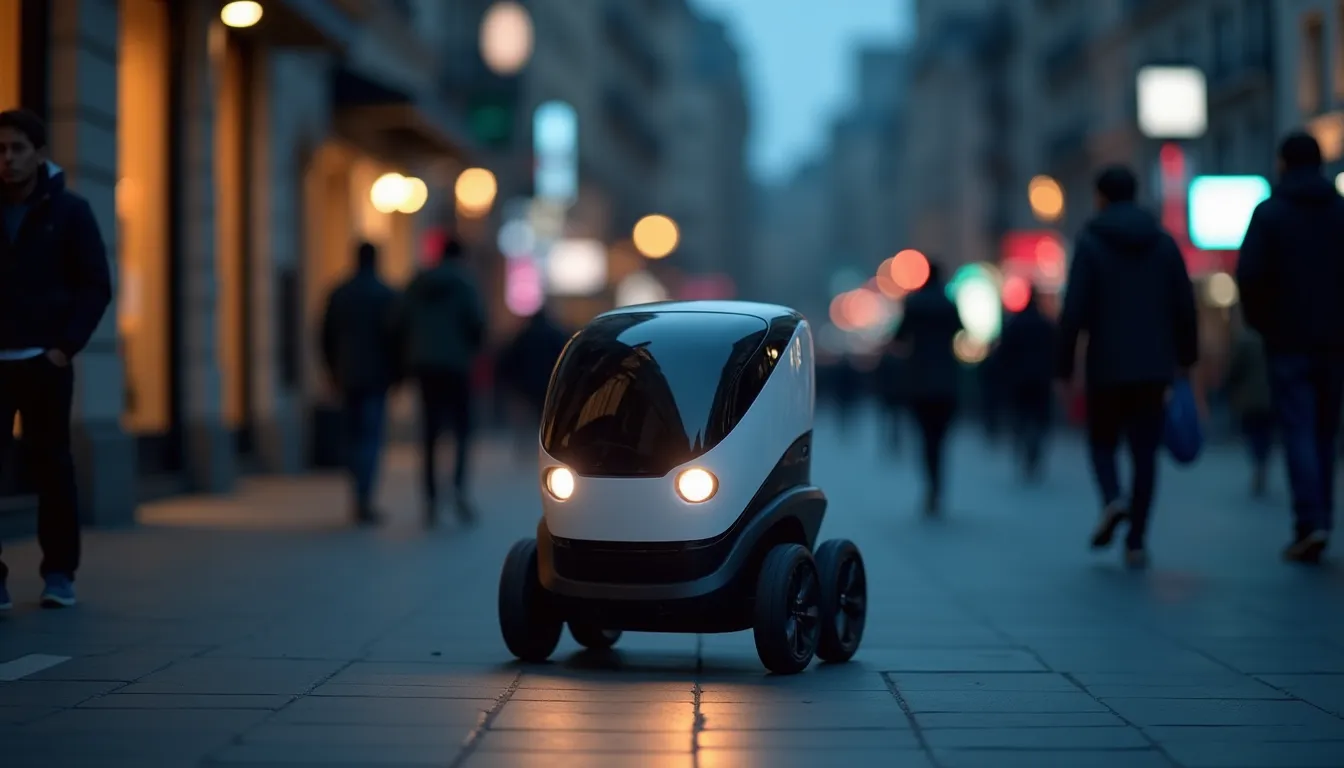
Philadelphia police arrested a woman for obstructing a delivery robot as cities nationwide push new laws to immobilize errant robotaxis.
Key Takeaways
- A woman was arrested in Philadelphia for blocking a delivery robot, per The Verge reporting published October 18, 2026
- Multiple cities are drafting laws to boot or immobilize robotaxis that break parking and traffic rules, per The Verge
- Current enforcement tools built for human drivers do not cleanly apply to driverless or robot-operated vehicles
- Robert Wille of Munich Quantum Software Company argued quantum computing needs design automation tooling, not just algorithms
- Legal gaps around robots in public space are emerging across both delivery robots and robotaxi fleets simultaneously
A woman was arrested in Philadelphia this week for physically blocking a delivery robot from completing its route, according to The Verge. The incident, which turned a routine sidewalk obstruction into a criminal matter, lands days after The Verge reported that multiple cities are drafting rules to physically immobilize robotaxis that violate traffic or parking laws.
What Happened
According to The Verge, Philadelphia police took the woman into custody after she repeatedly stood in front of a sidewalk delivery robot, preventing it from moving. The Verge report identifies the robot as an Uber delivery robot.
Separately, The Verge reported that several cities are now considering laws that would let officials physically boot or immobilize robotaxis that break parking rules, block traffic, or stop illegally, much as cities already do with human-driven vehicles. The push reflects growing frustration among municipal officials who say current enforcement tools, originally built around ticketing a human driver, do not translate cleanly to vehicles with no one behind the wheel to cite or tow in the usual sense.
In a related but separate development, The Quantum Insider reported comments from Robert Wille of the Munich Quantum Software Company arguing that quantum computing needs design automation tooling rather than algorithm research alone. While not a robotics story, it underscores a parallel theme running through both fields this month: as autonomous and computational systems scale into commercial use, the infrastructure for managing, regulating, and tooling them is struggling to catch up with the pace of deployment.
Why It Matters
Both Philadelphia stories point to the same structural problem: physical robots are now common enough on public streets and sidewalks that cities and courts are being forced to improvise legal responses in real time rather than through planned policy. An arrest for blocking a delivery robot suggests prosecutors are willing to treat interference with autonomous machines as seriously as interference with human workers or vehicles, which could set precedent for future disputes over protester tactics, vandalism, or accidental obstruction. The robotaxi booting proposals show the same gap from the opposite direction, with municipalities realizing that enforcement infrastructure built for human drivers does not map onto vehicles with no occupant to penalize. For investors tracking the equity market implications of robotics deployment, these enforcement gaps matter because unresolved liability and regulatory friction directly affect how fast companies can scale fleets in dense urban markets.
Background
These disputes sit alongside a broader commercial push detailed in MachineHours' Humanoid Robot Commercial Deployment entry, which tracks how companies are moving physical automation out of warehouses and into public-facing environments. Delivery robots and robotaxis are an earlier wave of that same shift, deployed on sidewalks and streets years before humanoid platforms reach comparable scale, and the legal friction they are generating now may preview disputes that follow humanoid robots into public spaces.
What to Watch
Watch whether Philadelphia prosecutors pursue the case to trial or drop it, since a conviction or dismissal will shape how obstruction laws are applied to robots elsewhere. Also watch which cities formalize robotaxi booting or immobilization rules first, since those ordinances will likely become templates other municipalities copy rather than draft from scratch. How Uber, the delivery robot's operator identified in The Verge's report, responds publicly will also signal how seriously operators take sidewalk-level friction as a business risk.
Sources
Frequently Asked Questions
What happened with the delivery robot arrest in Philadelphia?
According to The Verge, a woman was arrested after repeatedly blocking a delivery robot from completing its route, marking a notable case of criminal charges tied to interference with an autonomous device.
Why are cities trying to boot robotaxis?
The Verge reported that cities are drafting laws to physically immobilize robotaxis that violate parking or traffic rules, since existing enforcement tools assume a human driver to cite.
Is the Philadelphia robot interference case connected to robotaxi laws?
They are separate incidents but share a common thread: public robots are now common enough that cities and courts must improvise legal responses that existing law did not anticipate.
What did the Munich Quantum Software Company comment have to do with robotics?
It did not directly relate to robotics; Robert Wille's comments concerned quantum computing design automation, included here only as parallel context on infrastructure lagging deployment speed.