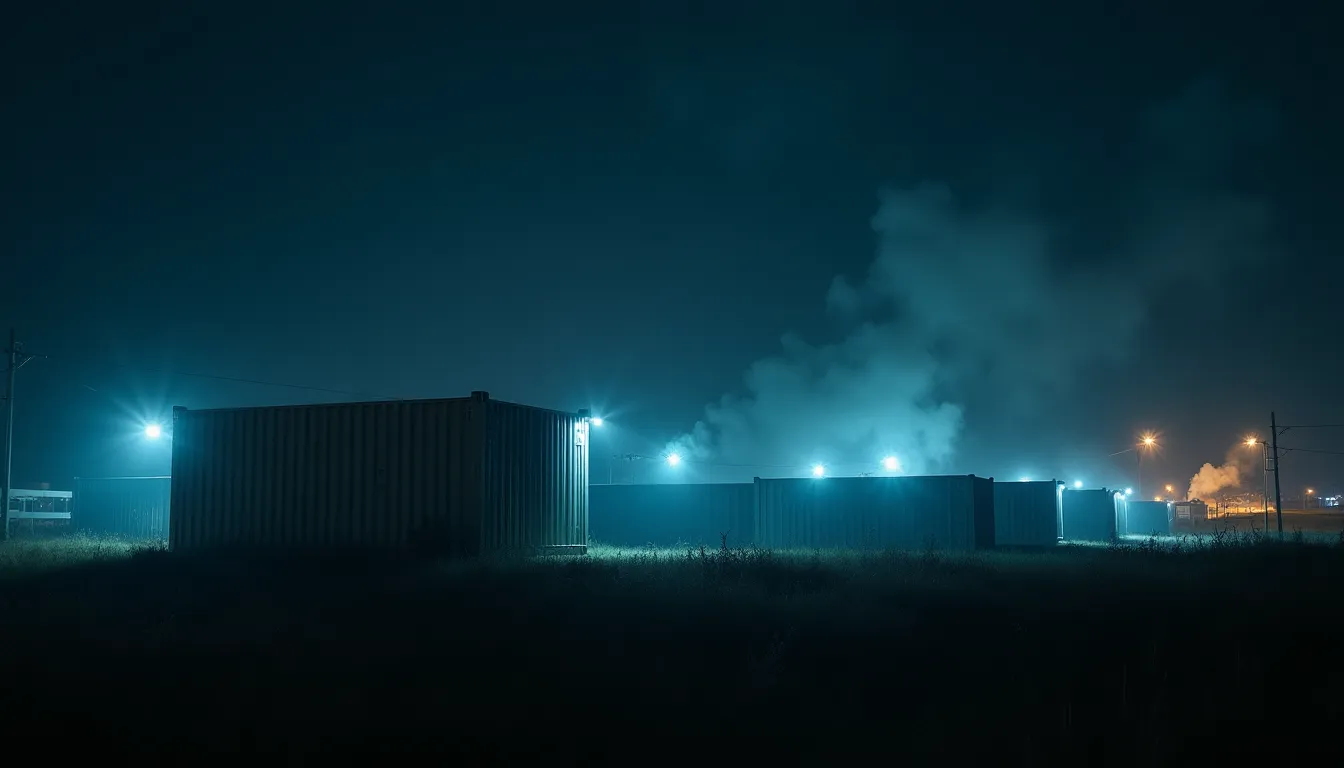
Vistra's Moss Landing grid battery storage facility in California has caught fire for at least the second time, with the latest incident occurring during decommissioning following a catastrophic January 2025 fire. The repeated failures raise urgent questions about the safety and operational reliability of large-scale lithium-ion grid storage systems at a critical moment for the US energy transitio
Key Takeaways
- Vistra's Moss Landing grid battery facility caught fire for at least the second time, with the latest incident occurring during decommissioning following a catastrophic January 2025 fire
- The decommissioning fire suggests that procedures for safely dismantling fire-damaged battery systems are inadequate, as damaged battery modules present distinct thermal and chemical hazards during removal
- Grid battery storage is critical to renewable energy integration, but repeated high-profile failures at Moss Landing demonstrate that deployment has accelerated faster than comprehensive safety standards and best practices have matured
- The incidents will likely trigger renewed regulatory scrutiny from California utility regulators and could lead to new inspection requirements and operational mandates that increase deployment costs
- Increased safety requirements and operational uncertainties around grid storage could affect corporate renewable energy procurement strategies, particularly for companies with high-demand applications like AI data centres
Vistra's Moss Landing battery storage facility in California has caught fire for at least the second time, according to reporting that reopens urgent questions about the safety and reliability of large-scale lithium-ion grid storage systems. The fire has intensified scrutiny of utility-scale battery deployments at a moment when grid infrastructure is under pressure from multiple directions.
The Fire and Decommissioning Context
The second fire at Moss Landing occurred during the decommissioning process following the January 2025 catastrophic fire, not during normal grid storage operations. This distinction is materially important: the incident represents a failure in post-incident recovery and demolition procedures rather than a repeat of operational failures under normal grid demand conditions. However, the fact that a second fire could ignite at the same facility during decommissioning compounds the damage from earlier incidents and raises broader questions about how lithium-ion battery systems behave across their full lifecycle—not just during active operation.
The Moss Landing facility was built on the California coast to supply grid services, serving as a storage buffer for renewable energy sources. Grid battery storage systems like Moss Landing are designed to absorb excess renewable generation during periods of high wind or solar production, then release that energy during peak demand periods when renewable generation drops. This buffering function is intended to smooth the intermittency inherent in renewable energy systems and provide utilities with flexible capacity management tools.
The Broader Context for Grid Storage Safety
The repeated failures at Moss Landing reflect engineering and operational risks that remain unresolved across the grid storage industry. Lithium-ion battery systems store enormous amounts of chemical energy in compact form, and thermal runaway—a chain reaction in which heat generated inside the battery accelerates chemical processes that generate more heat—remains a persistent hazard. Large-scale grid batteries amplify this risk because they contain thousands of individual cells and modules, any one of which can trigger a failure cascade if containment protocols fail.
The January 2025 fire at Moss Landing was described as catastrophic, causing significant damage to the facility. That incident should have triggered comprehensive investigation and remediation procedures before any decommissioning work began. The fact that a second fire occurred during the subsequent decommissioning phase suggests that either the safety procedures for dismantling damaged battery systems are inadequate, or the procedures were not fully effective in preventing thermal events during the removal and disposal process.
Decommissioning damaged battery systems presents distinct hazards. Battery modules that have been damaged by fire are in unstable chemical states, with partially melted components, compromised thermal management systems, and potential internal short circuits. Moving, disassembling, and transporting these damaged modules can jostle internal components, create new contact points that generate electrical arcs, or expose reactive materials. The industry currently lacks standardized protocols for safely decommissioning fire-damaged grid-scale battery systems, partly because utility-scale grid batteries are still relatively new technology and large-scale fire incidents remain rare enough that best practices have not yet fully crystallized.
Grid Storage as Critical Energy Transition Infrastructure
The timing of these failures is significant because grid battery storage has been positioned as essential infrastructure for the energy transition. As renewable energy sources like wind and solar now generate larger shares of US electricity, the variability of that generation—wind doesn't always blow, the sun doesn't always shine—requires either new dispatchable generation sources or storage systems that can shift energy from periods of surplus to periods of deficit.
Utility-scale lithium-ion batteries have emerged as the leading technology for this application because they can be deployed relatively quickly, have dropping cost curves, and can respond to demand signals in milliseconds. However, the technology is still maturing, and major incidents like those at Moss Landing demonstrate that deployment has proceeded faster than full understanding of long-term safety and reliability implications.
The energy transition creates particular pressure for rapid battery deployment. Electric vehicle adoption is accelerating, heating electrification is expanding, and data centre power demand—driven by artificial intelligence and hyperscale computing—is growing rapidly. All of these trends push total electricity demand upward at precisely the moment when renewable generation is increasing. Without adequate storage capacity, grids cannot reliably integrate high percentages of renewable generation. This creates strong economic and political incentives to approve and build battery storage facilities quickly, potentially outpacing the development of comprehensive safety standards and operational best practices.
Regulatory and Safety Implications
The Moss Landing fire will likely trigger renewed scrutiny of lithium-ion battery safety protocols at grid-scale facilities, and Vistra's regulatory exposure is expected to increase. California utility regulators will face pressure to respond with new inspection requirements or operational mandates that could affect how grid storage facilities across the state are built, maintained, and decommissioned.
Any new safety requirements could increase the cost of grid storage deployment or extend timelines for bringing new facilities online. That in turn could affect corporate clean energy procurement strategies. Companies sourcing power through long-term power purchase agreements—including major technology firms building AI data centres—rely on grid storage as part of their renewable energy mix. If storage capacity becomes more expensive or less reliable, the cost and feasibility of those agreements will shift, potentially pushing data centre operators toward locations with more reliable grid infrastructure or forcing them to source power from fossil fuel generation.
The investigation into the Moss Landing decommissioning fire will also likely focus on whether Vistra's procedures met existing regulatory standards, and whether those standards are adequate for the specific hazards presented by fire-damaged battery systems. The outcome could prompt the development of new decommissioning protocols across the industry, or could result in expanded liability for battery manufacturers and operators if investigations reveal negligence or procedural failures.
Broader Implications for the Energy Transition
These incidents demonstrate that large-scale battery deployment does not automatically solve intermittency challenges—the systems themselves introduce new technical and safety risks that must be managed. Investors, regulators, and energy planners tracking grid storage will need to weigh the benefits of flexible, renewable-friendly capacity management against the demonstrated safety hazards of large lithium-ion installations. The repeated failures at a single facility suggest that either the technology is not yet ready for deployment at the scale the energy transition requires, or that operational standards and safety culture in the industry need substantial improvement.
Until the root causes of both the January and subsequent fires are publicly disclosed and addressed, corporate energy buyers and regulators will face difficult decisions about how quickly to expand grid storage capacity and on what terms.
Sources
- Canary Media: Vistra's Moss Landing grid battery is on fire yet again
- Canary Media: Trump's EPA decimated climate rules for power plants. What now?
- Canary Media: Major US offshore wind farm installs its last turbine
- Canary Media: The Iran war pushed countries toward clean energy — and coal
- The Decoder: US and China experts push for shared rules banning AI control over nuclear weapons
- MachineHours Encyclopedia: The Energy Cost of AI — Training Runs, Inference, and the Data Centre Power Crisis
Frequently Asked Questions
Why has Moss Landing battery storage caught fire more than once?
The Moss Landing facility has experienced repeat fires linked to the challenges of managing large-scale lithium-ion battery systems. The repeated incidents highlight unresolved safety and operational risks in utility-scale grid storage.
What did the Trump EPA do to climate rules for power plants?
The EPA under the Trump administration dismantled federal emissions standards that had required utilities to limit carbon output from coal and gas power plants, removing a key regulatory incentive for transitioning to cleaner generation.
Has the Revolution Wind offshore wind farm been completed?
Yes. Revolution Wind installed its last turbine in September 2026, completing construction despite the current federal administration's hostility toward offshore wind projects.
How has the Iran conflict affected global energy markets?
According to Canary Media, the conflict pushed some countries to accelerate clean energy investment to reduce fossil fuel dependence, while others expanded coal use to fill supply gaps from disrupted oil and gas markets.
Why do grid battery failures matter for corporate clean energy goals?
Companies that have signed power purchase agreements for clean energy rely on grid battery storage to smooth out renewable intermittency. High-profile failures at facilities like Moss Landing can slow deployment of this infrastructure and complicate long-term sustainability commitments.
Get MachineHours in your inbox
AI compute and the machine economy in your inbox.