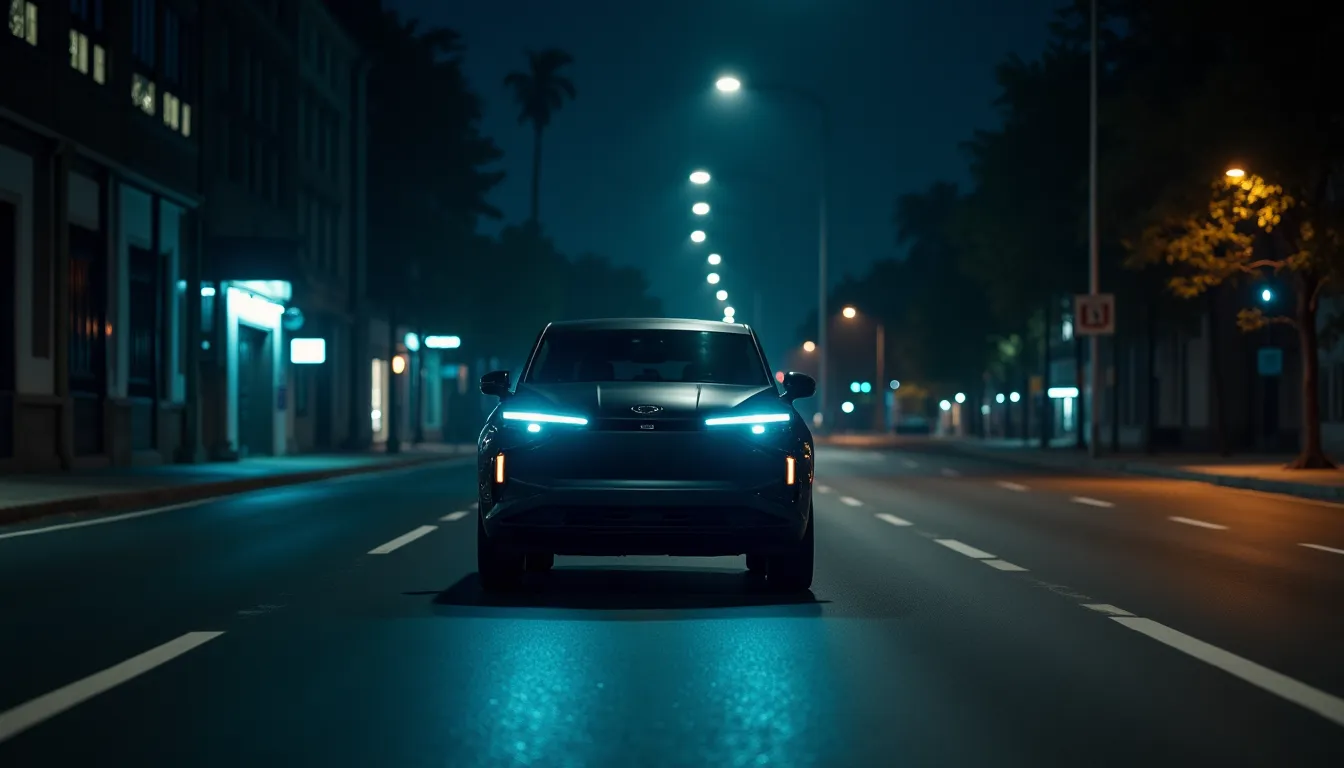
Uber has allied with driver unions to lobby against robotaxi expansion, even as it develops its own autonomous vehicle strategy. The Verge reports robotaxis are now facing a cultural and political backlash.
Key Takeaways
- Uber backed driver unions in lobbying against robotaxi expansion while separately advancing its own autonomous vehicle strategy, per the Financial Times.
- The Verge reported on September 4 that robotaxis are entering a cultural backlash phase, illustrated by a short film depicting autonomous vehicles as urban antagonists.
- NASA's Canadarm robotic arm was named the 300th IEEE Milestone on September 2, recognising decades of validated safety-critical robotic operation in space.
- Meta is testing robots for cable management, hardware inspection, and equipment replacement inside its data centres, according to Ars Technica.
- The gap between robotaxi benchmark performance and reliable real-world operation in edge cases remains the central unresolved technical challenge for the sector.
Uber has taken an explicit side in the battle over autonomous vehicles, backing driver unions in lobbying efforts aimed at slowing the rollout of robotaxi services - while simultaneously advancing its own self-driving ambitions, according to the Financial Times. The move positions Uber as both a critic and eventual competitor in the autonomous mobility market, a strategic contradiction that reflects how technically complex the transition to driverless transport remains.
What Happened
Uber's alliance with driver unions, first reported by the Financial Times on September 3, is a direct pressure campaign against rivals including Waymo and other robotaxi operators expanding in U.S. cities. The company has supported union calls for additional regulatory scrutiny and slower licensing of autonomous vehicle fleets. Yet a follow-up Financial Times report published September 5 clarified Uber's actual position: the company is not anti-robotaxi in principle - it is positioning to deploy its own autonomous fleet and wants to control the pace at which competitors capture market share before Uber's own technology is ready. The union alliance is a tactical delay, not a genuine reversal of strategy.
The cultural dimension of the robotaxi debate escalated on September 4 when The Verge reported on a short film titled "Road Rage" depicting autonomous vehicles as antagonists in a near-future urban environment. The Verge framed this as evidence that robotaxis are "entering their villain era" - a signal that public sentiment is hardening against autonomous vehicle companies, even as their technical capabilities advance. The film taps into real incidents in which robotaxis from operators including Waymo and the now-shuttered Cruise have blocked emergency vehicles, confused pedestrians, and prompted confrontations with frustrated drivers.
Elsewhere in robotics, IEEE Spectrum reported on September 2 that NASA's Canadarm cargo-moving robotic arm has been designated the 300th IEEE Milestone - recognition of a system that has operated reliably in orbit since the 1980s and remains one of the most technically demanding robotic deployments in history. The milestone serves as a reminder that validated, safety-critical robotic systems require decades of engineering refinement, a contrast that is not lost on the robotaxi debate.
On the data centre front, Ars Technica published a detailed account on August 30 of Meta's push to deploy robots inside its data centre facilities. Meta is testing robotic systems for tasks including cable management, hardware inspection, and equipment replacement - environments that are controlled, structured, and far more predictable than city streets. The company has not disclosed specific deployment timelines or performance benchmarks, but the initiative underscores that major AI infrastructure operators see robotics as a near-term operational tool rather than a distant ambition.
Why It Matters
The technical capability gap between robotaxi systems and fully validated autonomous operation is the underlying story behind Uber's political maneuvering. Waymo's fifth-generation Driver system and its successors have accumulated millions of miles of autonomous operation, but the incidents that fuel public backlash - gridlocked vehicles, confused responses to emergency services, edge-case failures - point to a persistent gap between benchmark performance and real-world reliability across all conditions. Uber's strategy implicitly acknowledges that its own autonomous technology is not yet competitive on capability, so the company is using policy levers to buy time.
Meta's data centre robotics initiative illustrates a different approach: deploying robots in structured environments where the technical bar is lower and failure consequences are manageable. This staged approach to real-world robotics deployment is gaining traction across sectors, and those tracking the equity market implications of robotics deployment will note that enterprise robotics in controlled environments is attracting capital precisely because the validation pathway is shorter than open-road autonomy.
The Canadarm milestone adds historical weight to this point. That system took years of testing and iteration before achieving the reliability standard required for crewed missions. Robotaxi operators are under commercial pressure to compress that timeline dramatically - and the resulting incidents are feeding the cultural backlash The Verge documented.
Background
The history of industrial robots and how machines transformed manufacturing offers a relevant frame. Industrial robotics scaled successfully in automotive and electronics manufacturing because those environments are engineered for repeatability - fixed workstations, controlled lighting, known object geometries. The leap to unstructured environments, whether city streets or data centre aisles, requires a qualitatively different level of perception and decision-making capability. Humanoid and mobile robot developers are now confronting exactly the engineering challenges that kept industrial robots confined to caged factory floors for decades.
For further context on humanoid systems moving into less controlled settings, the MachineHours entry on humanoid robots entering European manufacturing covers how even purpose-built factory humanoids are being deployed cautiously, with narrow task scopes and extensive human supervision.
What to Watch
Regulatory responses to Uber's union lobbying will be the immediate signal to track. If city and state governments tighten permitting for autonomous vehicle fleets, it buys incumbents time but also slows the accumulation of real-world miles that operators need to improve their systems - a feedback loop that could entrench current capability ceilings rather than overcome them.
Meta's data centre robotics timeline is worth monitoring as a near-term proof point for mobile robotics in structured commercial environments. If the company publishes performance data or expands the program to additional facilities, it will offer one of the more transparent benchmarks available for enterprise robot deployment in 2026. The contrast with open-road autonomy will sharpen the industry's understanding of where the real technical limits lie.
- Industrial robots first entered automotive manufacturing in the 1960s, with the Unimate arm deployed at a General Motors plant in 1961 marking the commercial starting point.
- Modern industrial robots can operate with repeatability tolerances below 0.1mm, a precision standard that open-road autonomous vehicles cannot yet replicate in dynamic perception tasks.
- NASA's Canadarm, now an IEEE Milestone, has been operational in space since 1981 - illustrating the multi-decade validation cycles that safety-critical robotic systems typically require.
- The global industrial robotics market has seen consistent annual installation growth over the past decade, driven primarily by automotive and electronics manufacturers in Asia and Europe.
Sources
- Financial Times: Uber allies with driver unions in bid to slow robotaxi rollout
- Financial Times: Uber picks a side in driver vs robotaxi wars: its own
- The Verge: Robotaxis enter their villain era
- IEEE Spectrum: NASA's Cargo-Moving Robotic Arm Named 300th IEEE Milestone
- Ars Technica: Inside Meta's push to put robots to work in data centers
- MachineHours Encyclopedia: Industrial Robots — How Machines Transformed Manufacturing
Frequently Asked Questions
Why is Uber supporting driver unions against robotaxis if it plans its own autonomous fleet?
Uber's own autonomous technology is not yet competitive with rivals like Waymo. By backing unions to slow competitor rollouts through regulation, Uber buys time to develop its own self-driving capability before rivals capture the market.
What is the 'villain era' of robotaxis that The Verge described?
The Verge reported on a short film and broader public sentiment turning against autonomous vehicles, fuelled by real incidents where robotaxis blocked emergency vehicles, confused pedestrians, or stalled in traffic.
What is Meta doing with robots in data centres?
Meta is testing robotic systems for tasks like cable management, hardware inspection, and equipment replacement inside its data centre facilities. No specific deployment timeline or performance benchmarks have been disclosed.
Why was the Canadarm named an IEEE Milestone?
NASA's Canadarm cargo-moving robotic arm was designated the 300th IEEE Milestone on September 2, 2026, recognising its decades of reliable operation in space as one of the most technically demanding robotic deployments in history.
What does the Canadarm milestone tell us about robotaxi development timelines?
The Canadarm took decades of testing and iteration to reach validated reliability for crewed missions. The milestone highlights how robotaxi operators face intense commercial pressure to compress that kind of validation timeline, contributing to the incidents driving public backlash.
Get MachineHours in your inbox
AI compute and the machine economy in your inbox.