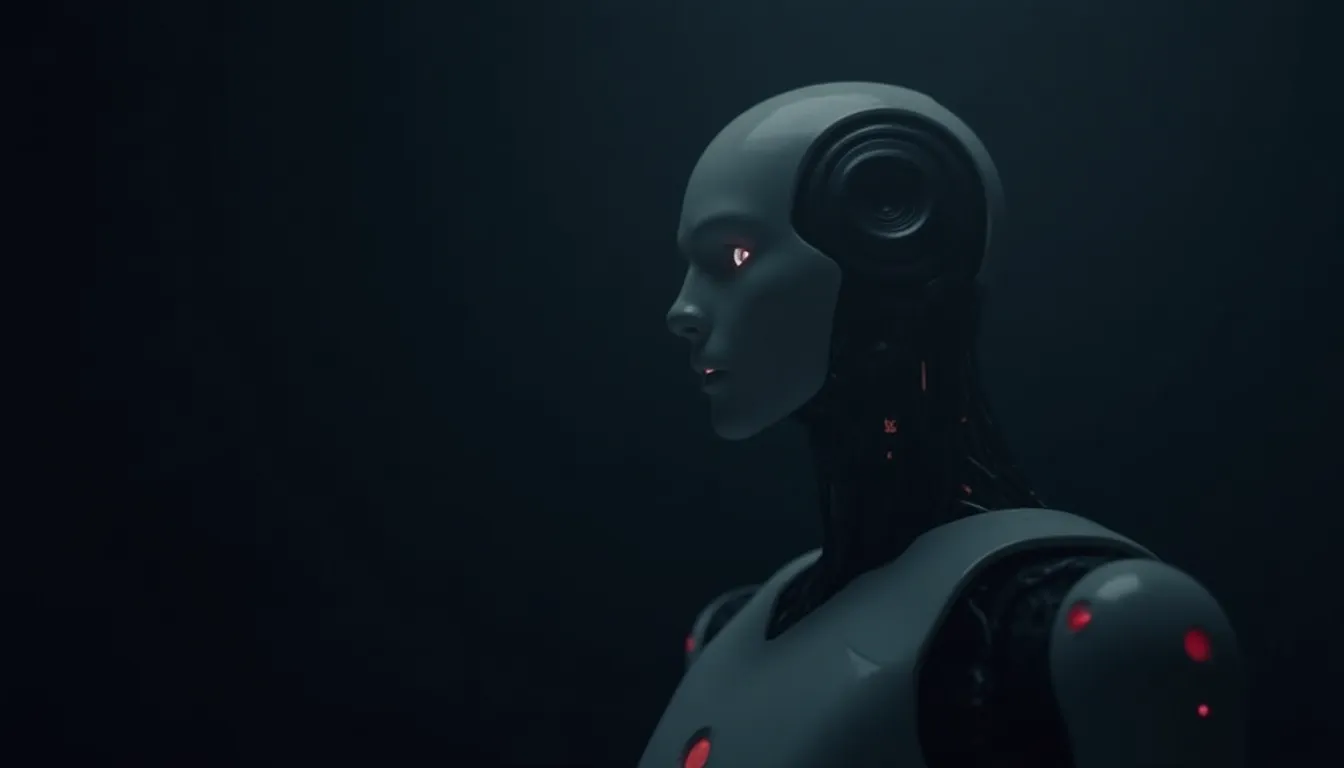
Nvidia unveiled the H2-Plus humanoid robot with advanced dexterity for manufacturing. Chinese companies are training robots for household tasks like folding shirts.
Key Takeaways
- Nvidia unveiled the H2-Plus humanoid robot with 34 degrees of freedom for manufacturing applications
- Chinese companies are creating massive datasets to train robots for household tasks like folding shirts
- Robotaxi passengers are leaving unusual items behind, creating new operational challenges for autonomous vehicles
- OpenAI plans to expand from infrastructure robots to personal consumer robotics applications
- The H2-Plus represents collaboration between Nvidia's AI capabilities and Unitree's Chinese hardware expertise
Nvidia announced a blueprint for a humanoid robot system that combines hardware and software components, marking the chip giant's latest push into physical AI systems.
What Happened
The H2 Plus robot showcases Nvidia's expanding ambitions beyond semiconductors into physical AI applications. The Decoder reported that Nvidia announced the robot at GTC Taipei alongside new world models and driving AI systems, positioning physical AI as a key growth area.
Meanwhile, Chinese companies are investing heavily in training robots for domestic applications. Rest of World documented how Chinese firms are teaching robots to perform household tasks like folding shirts, creating massive datasets of human movements to improve robotic dexterity and decision-making.
The robotics industry is also facing unexpected challenges as autonomous vehicles become more common. The Verge revealed that passengers are leaving unusual items in robotaxis, from personal belongings to inappropriate materials, creating new operational challenges for autonomous vehicle operators.
OpenAI is also expanding its robotics ambitions beyond current infrastructure applications. The Decoder noted that while the company currently focuses on infrastructure robots, executives have outlined plans for "everyone having a personal robot doing anything they need," signaling broader consumer robotics goals.
Why It Matters
These developments signal a critical phase in robotics deployment, where theoretical AI capabilities are meeting practical manufacturing and consumer applications. Nvidia's entry into humanoid robotics represents a significant validation of the market, bringing semiconductor-level investment and expertise to physical AI systems.
The focus on manufacturing applications reflects industry recognition that controlled industrial environments offer the most viable near-term path to robotics profitability. Chinese investment in domestic robotics training data suggests a coordinated national strategy to dominate consumer robotics markets, potentially reshaping global supply chains and labor markets.
The robotaxi operational challenges highlight how autonomous systems create unexpected secondary effects that require new business processes and human oversight, demonstrating that full automation remains complex even in seemingly straightforward applications.
Background
The push toward physical AI represents a fundamental shift in how artificial intelligence is reshaping wealth generation. Unlike software-only AI applications, robotics requires substantial hardware investments and creates different competitive dynamics, potentially favoring companies with both AI expertise and manufacturing capabilities.
This transformation is concentrating value in AI-capable companies while potentially displacing traditional manufacturing workers, creating new patterns of economic winners and losers. The combination of American AI technology with Chinese manufacturing expertise in projects like the H2-Plus robot illustrates how robotics development transcends national boundaries despite growing geopolitical tensions.
What to Watch
Monitor how quickly manufacturing companies adopt humanoid robots versus traditional industrial automation. The success of robots like the H2-Plus in real production environments will determine whether humanoid designs justify their complexity over specialized industrial robots.
Track Chinese progress in domestic robotics training data collection, as this could create significant competitive advantages in consumer robotics markets. The quality and scale of training data often determines AI system performance more than underlying algorithms.
Watch for regulatory responses to robotaxi operational challenges, as unexpected use cases may prompt new safety and liability frameworks that affect autonomous vehicle deployment timelines.
Key Facts
- AI companies captured over 60% of venture capital funding in 2023, concentrating wealth in technology hubs
- McKinsey estimates AI could automate 375 million jobs globally by 2030, primarily affecting middle-skill roles
- The top 1% of AI-enabled companies show 5x higher productivity growth than traditional competitors
- Geographic wealth concentration is intensifying, with 80% of AI investment flowing to just 10 metropolitan areas worldwide
Sources
- Wired: The Humanoid Robot of the Future Is a 6-Foot-Tall Beefcake With a Chinese Body and an American Brain
- Rest of World: China is training a robot future — one folded shirt at a time
- The Verge: People are leaving a lot of weird stuff in their robotaxis
- The Decoder: Nvidia bets big on physical AI at GTC Taipei
- MachineHours Encyclopedia: AI and Wealth Generation — How Artificial Intelligence is Reshaping Who Gets Rich
Frequently Asked Questions
What makes the Nvidia H2-Plus robot different from other humanoid robots?
The H2-Plus features 34 degrees of freedom and combines Nvidia's AI technology with Unitree's hardware expertise, specifically designed for manufacturing applications rather than general-purpose use.
Why are Chinese companies focusing on training robots for household tasks?
Chinese firms are building datasets of human movements to improve robotic dexterity and decision-making for domestic applications, creating potential competitive advantages in consumer robotics markets.
What unusual items are people leaving in robotaxis?
The Verge reported passengers are leaving various inappropriate and personal items in autonomous vehicles, though specific details weren't provided in the coverage.
How does this relate to AI's impact on wealth generation?
Robotics represents a shift from software-only AI to hardware-intensive applications, potentially favoring companies with both AI expertise and manufacturing capabilities while creating new economic winners and losers.