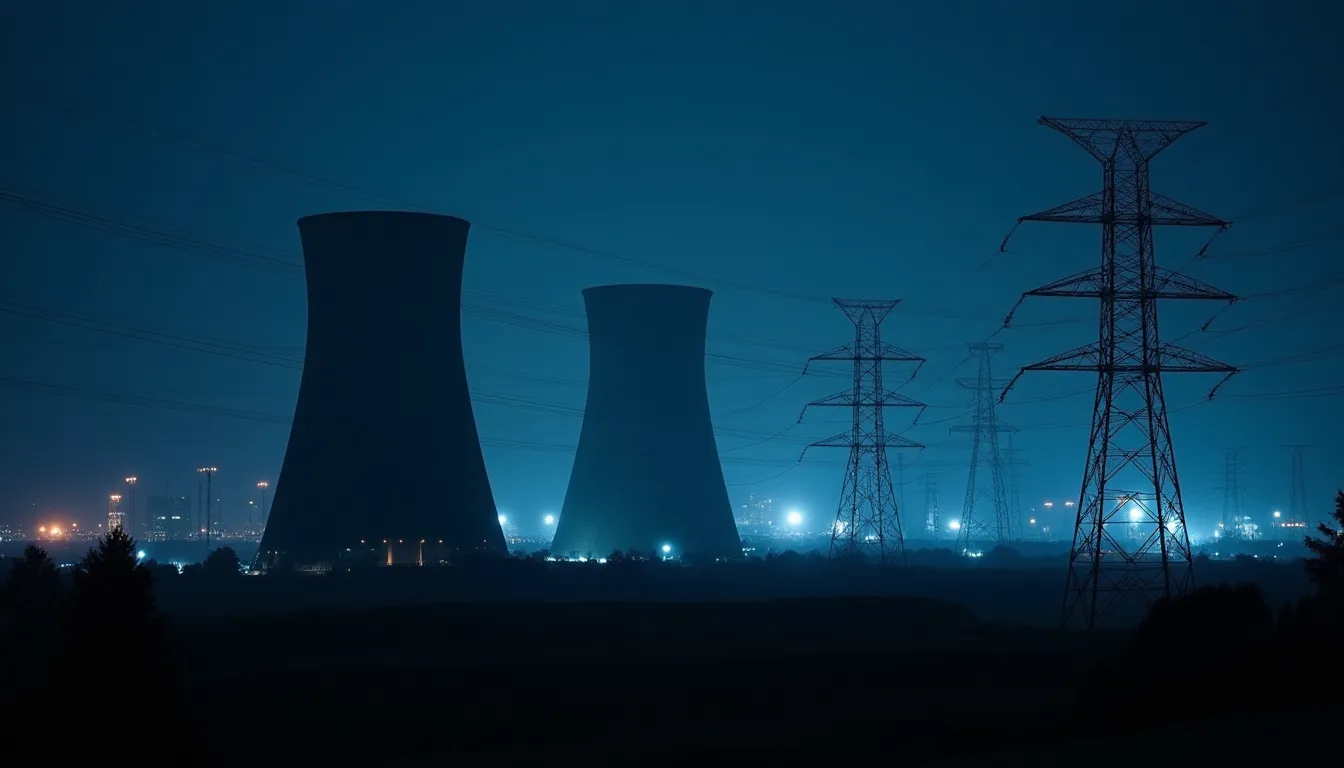
New York has placed a major wager on nuclear energy expansion, while Carbon Brief reports China's CO2 emissions fell in Q2 2026 as oil use plummeted.
Key Takeaways
- New York State has announced a major nuclear energy expansion, signalling bipartisan momentum for zero-carbon baseload power in the US.
- A novel transmission line project aims to connect three US electricity grids spanning three time zones, addressing a long-standing grid integration challenge.
- Carbon Brief analysis shows China's CO2 emissions fell in Q2 2026, driven primarily by a sharp decline in oil use linked to EV adoption.
- Hyundai broke ground on a Louisiana steel mill, though its green credentials are under scrutiny from environmental observers.
- A clean energy super PAC is targeting a Democratic governor in an intra-party dispute over energy policy priorities.
- China's Q2 emissions data, if sustained, may prompt revisions to near-term global climate projections used in major modelling frameworks.
New York State has launched one of its most ambitious nuclear energy commitments in decades, according to Canary Media, while separate data published by Carbon Brief shows China recorded a decline in CO2 emissions during the second quarter of 2026, driven by a sharp fall in oil consumption - two developments that together signal an accelerating shift in how major economies are approaching their energy systems.
What Happened
New York's nuclear push represents a significant policy commitment to zero-carbon baseload power, with the state signalling support for expanded nuclear capacity as it works to meet aggressive climate targets. Canary Media reported that the move reflects growing political willingness in the United States to treat nuclear energy as a core component of decarbonisation strategy, not a legacy fallback. The development aligns with broader national interest in small modular reactors and next-generation nuclear capacity as AI data centres and electrification drive electricity demand to new highs.
On the transmission side, Canary Media also reported on a novel high-voltage power line project designed to connect three separate electricity grids spanning three time zones. The project, if completed, would represent a step-change in grid interconnection across the continental United States, enabling renewable energy generated in one region to flow to demand centres in another - a technical and regulatory challenge the energy sector has debated for years.
In manufacturing, Canary Media covered Hyundai's notable on a new steel mill in Louisiana, raising the question of whether the facility meets meaningful green steel standards. The project adds industrial weight to domestic manufacturing ambitions but draws scrutiny over its emissions profile and the extent to which it relies on clean energy inputs versus conventional grid power.
Carbon Brief's analysis of Chinese emissions data found that CO2 output fell in Q2 2026 relative to the same period the previous year, with the primary driver being a steep decline in oil use - attributed in large part to accelerating electric vehicle adoption displacing petrol and diesel consumption. The finding is notable because China has historically been responsible for a large share of global emissions growth, and a sustained downward trend in its oil-based CO2 output could alter near-term global climate projections.
Finally, Canary Media reported that a clean energy-aligned super PAC is targeting a sitting Democratic governor in what amounts to an intra-party clash over energy policy - an indication that clean energy politics are fracturing along lines that no longer map neatly onto traditional partisan divisions.
Why It Matters
Taken together, these developments point to a global energy system undergoing structural change faster than most policy frameworks anticipated. China's Q2 2026 emissions decline is particularly significant from a climate modelling perspective: if electric vehicle penetration continues to suppress oil demand at the rate Carbon Brief's data implies, emissions scenarios that assumed slower Chinese decarbonisation may need revision. Climate models that project end-of-century temperature outcomes are sensitive to near-term emissions trajectories, and a sustained Chinese inflection could shift median projections meaningfully downward.
New York's nuclear commitment and the three-grid transmission line reflect a parallel dynamic in the United States: grid planners are reaching for every available tool - nuclear, long-distance transmission, storage - to meet demand that AI infrastructure and electrification are pushing upward. Investors tracking these shifts can find relevant context on commodity and energy market analysis as capital flows toward both established nuclear operators and next-generation grid infrastructure developers. The Hyundai steel mill story adds an important caveat: industrial decarbonisation remains uneven, and headline investment announcements do not always translate into verified emissions reductions.
Background
Long-term energy procurement has become increasingly complex as both governments and corporations lock in multi-decade commitments to specific power sources. The mechanics of how large buyers secure clean energy at scale - through instruments like power purchase agreements - shape which projects get built and which technologies attract capital. The MachineHours encyclopedia entry on Power Purchase Agreements - How Hyperscalers Source Clean Energy for AI outlines how these contracts function and why they have become central to both corporate sustainability targets and grid development planning.
Nuclear energy's role in that mix is evolving. As covered in the MachineHours entry on Small Modular Reactors - How SMRs Could Power the AI Economy, there is growing interest in deploying next-generation nuclear capacity specifically to serve data centre loads - giving New York's policy bet a direct connection to the AI infrastructure buildout reshaping electricity demand across the northeastern United States.
What to Watch
Three threads warrant close attention over the next 12 months. First, whether China's Q2 2026 emissions decline persists into the second half of the year - a sustained trend would force updates to near-term global carbon budgets and could influence international climate negotiations scheduled for late 2026. Second, whether New York's nuclear commitment translates into specific project approvals and financing, or remains a policy signal without near-term construction. Third, the three-grid transmission line faces a historically difficult regulatory path across multiple jurisdictions; whether it clears those hurdles will test whether the United States can actually build the backbone infrastructure its clean energy ambitions require. The Hyundai steel mill will also face ongoing scrutiny from environmental groups seeking independent verification of its emissions claims.
- Power purchase agreements typically run 10 to 25 years, locking in energy prices and providing revenue certainty that enables new capacity construction.
- Hyperscale cloud providers including Microsoft, Google, and Amazon have collectively signed hundreds of gigawatts of clean energy PPAs globally.
- PPAs can be structured as physical delivery contracts or virtual agreements where financial settlement tracks market price differences.
- New nuclear and large-scale transmission projects are increasingly being paired with PPA structures to attract private financing alongside public commitments.
Sources
- Canary Media: New York's big new bet on nuclear energy
- Canary Media: This novel power line could link 3 grids across 3 time zones
- Canary Media: Hyundai breaks ground on Louisiana steel mill. Is it green enough?
- Carbon Brief: Analysis: China's CO2 emissions fall in Q2 2026 due to plummeting oil use
- Canary Media: Clean energy super PAC looks to take down a Democratic governor
- MachineHours Encyclopedia: Power Purchase Agreements — How Hyperscalers Source Clean Energy for AI
- MachineHours Encyclopedia: Small Modular Reactors — How SMRs Could Power the AI Economy
Frequently Asked Questions
Why did China's CO2 emissions fall in Q2 2026?
Carbon Brief's analysis attributes the decline primarily to plummeting oil use, driven largely by accelerating electric vehicle adoption displacing petrol and diesel demand across China's transportation sector.
What is New York's nuclear energy bet about?
New York State has signalled a major commitment to expanding nuclear energy capacity as part of its strategy to meet climate targets and manage rising electricity demand from AI infrastructure and electrification.
What would the three-grid transmission line do?
The project would connect three separate US electricity grids across three time zones, allowing renewable energy generated in one region to supply demand centres in others - a significant technical and regulatory challenge.
Is Hyundai's Louisiana steel mill considered green steel?
Canary Media raised questions about whether the facility meets meaningful green steel standards, noting that the emissions profile and reliance on clean energy inputs remain subjects of scrutiny.
Why does China's emissions trend matter for climate modelling?
China is historically a major driver of global emissions growth. A sustained decline in its CO2 output could shift near-term global carbon budgets and alter temperature projections used in international climate planning.
Get MachineHours in your inbox
AI compute and the machine economy in your inbox.