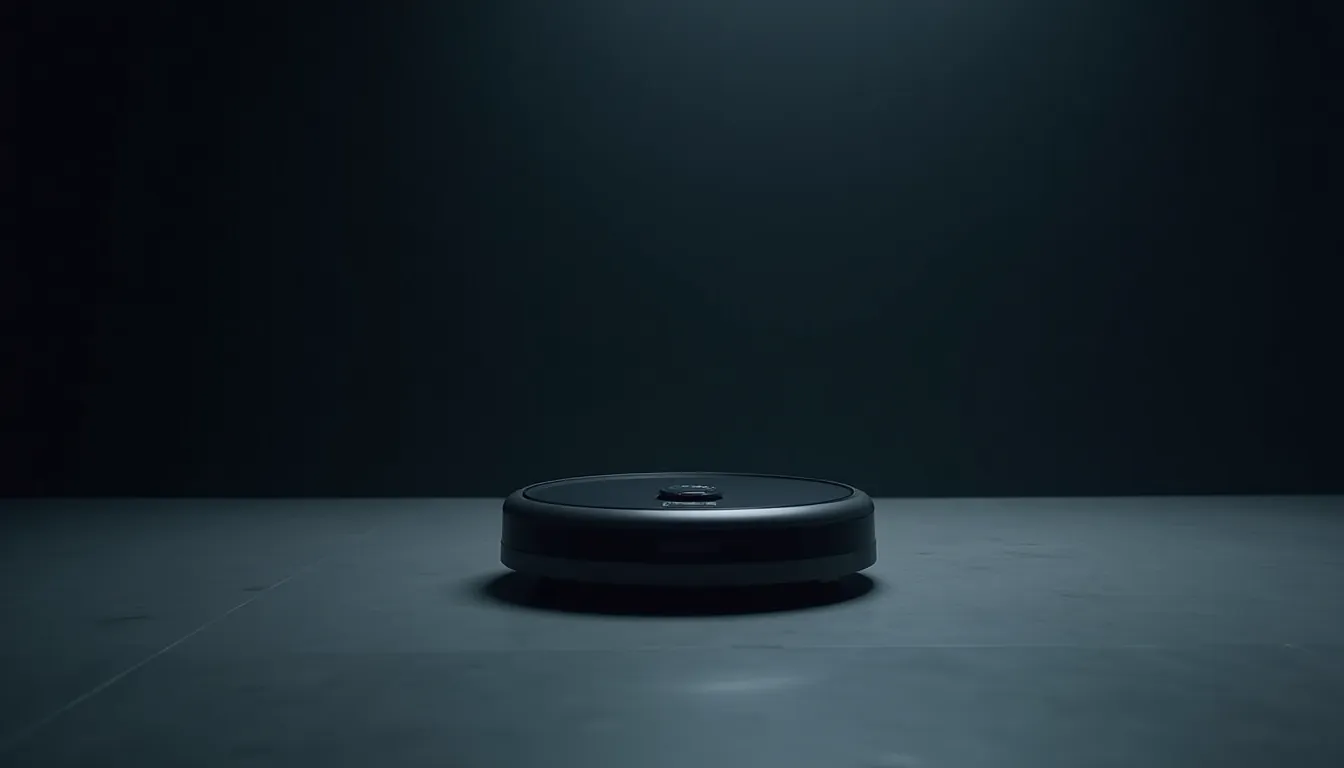
iRobot has unveiled the Roomba Duo, a concept robot combining vacuuming and mopping. Wired also named Litter-Robot among the best automatic pet care devices of 2026.
Key Takeaways
- iRobot unveiled the Roomba Duo concept on September 4, 2026, combining vacuuming and mopping in one autonomous device.
- No retail price or confirmed release date was disclosed for the Roomba Duo at announcement, indicating it remains a concept.
- Wired named both Petkit and Litter-Robot as top automatic litter box picks in its 2026 roundup, published the same day.
- Litter-Robot units retail between approximately $500 and $700, establishing a premium benchmark in consumer home robotics.
- iRobot's concept strategy appears designed to reassert design leadership after Amazon's acquisition bid failed in 2024.
- Both stories reflect consumer robotics shifting from novelty products to recognised household utility across multiple categories.
iRobot has unveiled the Roomba Duo, a concept robot that combines vacuuming and mopping into a single autonomous unit, according to The Verge, marking one of the company's most ambitious hardware directions since its founding. The announcement arrives at a moment when consumer robotics is under close commercial scrutiny, with competing devices from across the sector vying for the same household square footage.
What Happened
The Verge reported on September 4, 2026, that iRobot introduced the Roomba Duo as a concept device, combining the two most common autonomous cleaning functions - vacuuming and wet mopping - into a single robot platform. The Duo represents iRobot's attempt to consolidate what has typically required two separate devices, addressing a persistent friction point for consumers who want floor cleaning automation without managing multiple robots. The company did not disclose a retail price or confirmed release timeline for the Duo at the time of the announcement, signalling that it remains in a concept phase rather than a finalised product ready for commercial rollout.
On the same date, Wired published its 2026 roundup of the best automatic litter boxes, naming both Petkit and Litter-Robot among the top picks in the category. The Litter-Robot, a self-cleaning, sensor-driven unit that automates one of the most routine and unpleasant aspects of pet ownership, has become a benchmark product in the consumer robotics segment. Wired's endorsement of both Petkit and Litter-Robot reflects the extent to which robotic automation has moved from novelty to practical household utility across multiple categories beyond floor care. Litter-Robot units typically retail between $500 and $700, placing them at the premium end of the consumer robotics market.
Together, these two stories capture a broader moment in consumer robotics: established players like iRobot are pushing concept hardware to maintain relevance, while specialist devices from brands like Litter-Robot are achieving mainstream recognition through consistent performance and editorial validation.
Why It Matters
iRobot's Roomba Duo concept points to a consolidation strategy that could reshape how households think about autonomous cleaning. Rather than buying a dedicated vacuum robot and a separate mopping robot - a setup that already represents a meaningful household investment - consumers could eventually manage a single device. That simplicity has real commercial pull, particularly as the robot vacuum market becomes more crowded with lower-cost competitors from Chinese manufacturers.
The Litter-Robot's continued prominence in major editorial roundups illustrates a parallel trend: consumer robotics is achieving durable market adoption in specific, high-friction household tasks. These are not experimental devices anymore. The robotics sector's commercial maturation has implications worth tracking for investors monitoring the equity market implications of robotics deployment across consumer and industrial verticals alike. iRobot's concept release also suggests the company is working to reestablish its design leadership after a turbulent period that included a failed acquisition bid by Amazon in 2024.
Background
The arc from industrial robotics to consumer household devices spans more than six decades. The story begins with Unimate, the world's first programmable industrial robot arm, installed at a General Motors plant in 1961. Unimate demonstrated that machines could reliably perform dangerous, repetitive tasks, establishing the foundational logic that now underpins everything from factory automation to the Roomba navigating a living room floor. For a deeper look at how that industrial lineage connects to today's humanoid and service robot development, the history of industrial robots provides useful context.
iRobot, founded in 1990, brought autonomous navigation to the consumer market with the original Roomba in 2002. The company has spent more than two decades iterating on floor-cleaning robotics, and the Duo concept reflects that accumulated engineering experience applied to a new form factor challenge.
What to Watch
The key question for the Roomba Duo is whether iRobot moves it from concept to commercial product, and at what price point. A combined vacuum-mop robot priced competitively against separate-device setups could capture significant market share. Watch for whether iRobot announces a production timeline in the next two quarters.
More broadly, the consumer robotics segment is maturing fast. As devices like Litter-Robot gain mainstream editorial endorsement and floor-care robots evolve toward consolidation, the next competitive frontier is likely reliability and software intelligence - not just hardware novelty. Companies that can demonstrate consistent autonomous performance across varied household environments, rather than controlled demos, will define the category's next phase. The race to build affordable, capable home robots also intersects with broader humanoid ambitions; the Unitree R1 and the push toward affordable humanoids represents one direction that segment could ultimately travel.
- Unimate, the first industrial robot arm, was installed at General Motors in 1961, beginning the modern robotics era.
- iRobot launched the original Roomba in 2002, pioneering the consumer robot vacuum market.
- Litter-Robot units typically retail between $500 and $700, placing them at the premium end of the consumer home robotics segment.
- iRobot's planned acquisition by Amazon collapsed in 2024, leaving the company as an independent entity navigating a crowded market.
Sources
Frequently Asked Questions
What is the iRobot Roomba Duo?
The Roomba Duo is a concept robot unveiled by iRobot on September 4, 2026, designed to combine vacuuming and mopping into a single autonomous device. No price or release date has been confirmed.
Is the Roomba Duo available to buy?
Not yet. iRobot presented the Roomba Duo as a concept device and did not announce a retail price or commercial release timeline at the time of the unveiling.
Why did Wired recommend Litter-Robot in 2026?
Wired's 2026 automatic litter box roundup named Litter-Robot alongside Petkit as a top pick, reflecting the product's consistent autonomous performance in a high-friction household task.
How does the Roomba Duo differ from existing Roomba models?
The Duo concept integrates vacuuming and wet mopping into one unit, eliminating the need for two separate robots. Most current Roomba models focus on vacuuming, with mopping handled by dedicated companion devices.
What happened to Amazon's planned acquisition of iRobot?
Amazon's bid to acquire iRobot collapsed in 2024, leaving iRobot as an independent company. The Roomba Duo concept reflects iRobot's efforts to reestablish its position in an increasingly competitive market.
Get MachineHours in your inbox
AI compute and the machine economy in your inbox.