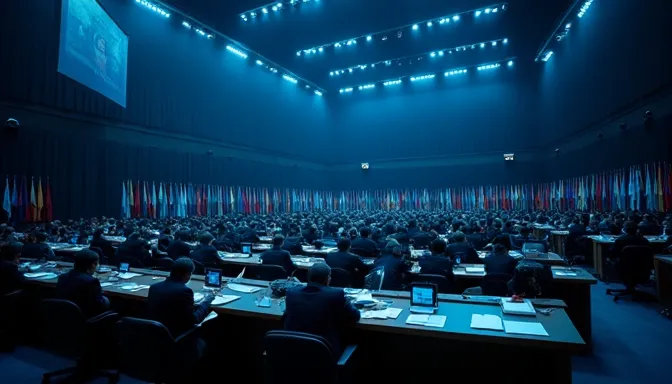
COP31 closed without a cover decision after the EU and UK rejected the Antalya pact; 80 nations backed a 2035 electrification target.
Key Takeaways
- COP31 in Antalya closed without a cover decision after the EU, UK and climate-vulnerable nations rejected the 'Antalya pact.'
- Around 80 nations signed a global target to source 35% of final energy consumption from electricity by 2035.
- A proposed $120bn adaptation finance target remained undecided, drawing criticism from developing countries.
- UNFCCC chief Simon Stiell called for reform of the UN climate process following the summit's chaotic end.
- Turkey announced two new oil field discoveries on the eve of the summit it co-hosted with Australia.
COP31 in Antalya, Turkey, ended without a final agreement after the European Union, the United Kingdom and several climate-vulnerable nations rejected a presidency-led "Antalya pact" that lacked firm language on curbing fossil fuels or scaling up climate finance, according to Carbon Brief. The summit, co-presided by Turkey and Australia, became the longest COP in history before collapsing in its final hours over the same fault lines that have dogged the UN climate process for years: who pays for adaptation, and whether fossil fuels get named at all. The failure exposes a sharp reversal in negotiating dynamics, where countries seeking higher ambition actively rejected what was framed as the lowest common denominator rather than accepting a weak compromise.
What Happened
According to Carbon Brief, the "Antalya pact" proposed by COP31 president Murat Kurum and Australian "president of negotiations" Chris Bowen was rejected in the closing plenary by the EU, the UK and a bloc of climate-vulnerable countries. Developing nations separately criticised the lack of progress on climate finance, including indecision over a proposed $120bn target for adaptation funding. UNFCCC chief Simon Stiell responded with what Carbon Brief described as "deep disappointment," calling for the UN climate process to be improved, modernised and reformed.
The dispute over COP31 hosting had run for three years before Turkey and Australia reached a joint arrangement at COP30, with Turkey providing the host venue in Antalya and Australia taking the lead negotiating role. Carbon Brief noted that credibility questions shadowed the summit from the outset: Turkey announced the discovery of two new oil fields on the eve of COP31, while Carbon Brief's own analysis found Australia to be the third-largest CO2 exporter in history due to its fossil-fuel production. Those contradictions between host-nation climate pledges and domestic energy policy became a backdrop for discussions about the legitimacy of the presidency-led proposal.
Despite the failure of the headline cover decision, Carbon Brief reported that the talks did not collapse entirely. Negotiators still adopted a number of items in the closing plenary, including a new mechanism for "just transitions" and support measures for countries hit by climate disasters. One veteran observer told Carbon Brief that the rejection of the cover decision marked, for the first time, countries seeking higher ambition actively rejecting what was framed as the lowest common denominator on offer, rather than a simple breakdown in talks.
Outside the formal negotiations, Carbon Brief noted growing momentum behind voluntary coalitions pushing "roadmaps" for transitioning away from fossil fuels. The presidency's central theme, electrification, drew more concrete support: around 80 nations signed onto a global target of sourcing 35% of final energy consumption from electricity by 2035, a goal the presidency had been building toward since an August 2026 letter from the COP31 presidency introduced the "35 by 35" framing. Carbon Brief's reporting indicated this electrification pledge represented one of the few concrete commitments to emerge from Antalya, even as formal negotiations on finance and fossil-fuel language ended in stalemate.
The presidency had outlined its vision across four official letters beginning in April 2026. The first letter, written by COP31 president Murat Kurum in April 2026, confirmed the appointment of Chris Bowen as "president of the negotiations" and announced a pre-COP in Fiji. The second letter from both Kurum and Bowen, authored at the Copenhagen climate ministerial in May, stated that "COP31 presents a vital opportunity to further accelerate…in the areas of clean energy, electrification and resilient infrastructure." The third letter, published in August 2026, introduced the presidency's key aim to get countries to agree to increase electricity's share of final energy consumption to 35% by 2035. The final letter, published in October ahead of the Fiji pre-COP that drew 3,000 attendees, signalled that the presidency would centre on "delivering a COP focused on accelerating implementation, electrification and resilience in an uncertain world." That framing set electrification as the presidency's primary negotiating axis, even as consensus fractured over the cover decision itself.
Why It Matters
The Antalya outcome leaves the finance questions that shape the energy transition unresolved, while the presidency's electrification theme produced one of the few concrete commitments of the summit. A voluntary target of 35% of final energy consumption from electricity by 2035 is not a binding negotiated decision, but it gives the roughly 80 signatories a shared benchmark. Electrification is also relevant to the technology sector, because computing infrastructure adds to electricity demand: MachineHours' guide to AI training energy consumption explains how training and inference workloads use power, and the IEA estimates data centres account for roughly 2.5% of electricity demand today, a figure tracked in MachineHours' indicators.
What to Watch
The next test comes at COP32, where negotiators will need to revisit both the rejected cover decision and the unresolved $120bn adaptation finance target. Whether the roughly 80 countries that signed the electrification pledge translate it into binding national policy, rather than a voluntary signal, will determine how much weight corporate energy buyers place on it when planning procurement and grid connection timelines. Carbon Brief's reporting on host-nation fossil fuel expansion in Turkey and Australia also raises the question of whether future COP presidencies will face similar credibility scrutiny, and whether that scrutiny shapes corporate willingness to align energy sourcing decisions with UN-level targets rather than purely domestic regulation.
- COP31 in Antalya, Turkey became the longest COP in history before closing without a cover decision agreement.
- The EU, UK and several climate-vulnerable nations rejected the presidency-proposed "Antalya pact."
- Around 80 nations signed a global target to source 35% of final energy consumption from electricity by 2035.
- A proposed $120bn climate adaptation finance target was left undecided amid criticism from developing countries.
Sources
Frequently Asked Questions
Why did COP31 fail to reach a final agreement?
According to Carbon Brief, the EU, the UK and several climate-vulnerable nations rejected the presidency-led 'Antalya pact' because it lacked clear references to curbing fossil fuels or scaling up climate finance.
What was the electrification pledge agreed at COP31?
Carbon Brief reported that around 80 nations signed onto a target of sourcing 35% of final energy consumption from electricity by 2035, part of a theme promoted by the Turkish-Australian presidency.
Did any outcomes get adopted at COP31 despite the failed cover decision?
Yes. Carbon Brief noted that negotiators still adopted items including a new mechanism for 'just transitions' and support measures for countries affected by climate disasters, even though the headline pact failed.
What was the dispute over climate finance at COP31?
Developing countries criticised the lack of progress on finance and indecision over a proposed $120bn target for climate adaptation funding, according to Carbon Brief.
Who hosted COP31 and why was that contested?
Turkey and Australia co-hosted COP31 in Antalya after a three-year dispute over which country would host the Western Europe and Other States group's summit; Turkey served as COP president and Australia as 'president of negotiations.'
Get MachineHours in your inbox
AI compute and the machine economy in your inbox.