Intelligence Briefings on the Automation Economy
MachineHours Analysis publishes long-form intelligence briefings on the structural forces reshaping the AI and robotics economy. Each briefing is a living document — revised as the underlying data, capital flows, and technology landscape evolve, rather than a one-off article frozen at the moment of publication.
The briefings sit between the daily Newsroom and the reference Encyclopedia: deeper than a headline, more thesis-driven than a definition. Topics span venture capital concentration, hyperscaler capex, semiconductor supply chains, labour market displacement, model capability curves, and the geopolitics of compute. Every briefing connects directly to the live indicators and encyclopedia entries that underpin its argument, so readers can audit the reasoning and follow the chain of evidence rather than take any conclusion on faith.
Briefings are revisited regularly — the latest developments panel on each page tracks recent news flow against the underlying thesis, and the published-versus-reviewed dates make freshness explicit. Use the Analysis pages as the starting point when a topic warrants more than a headline: each briefing connects out to the supporting encyclopedia entries, to the live indicators, and to the broader news coverage that has accumulated since publication.
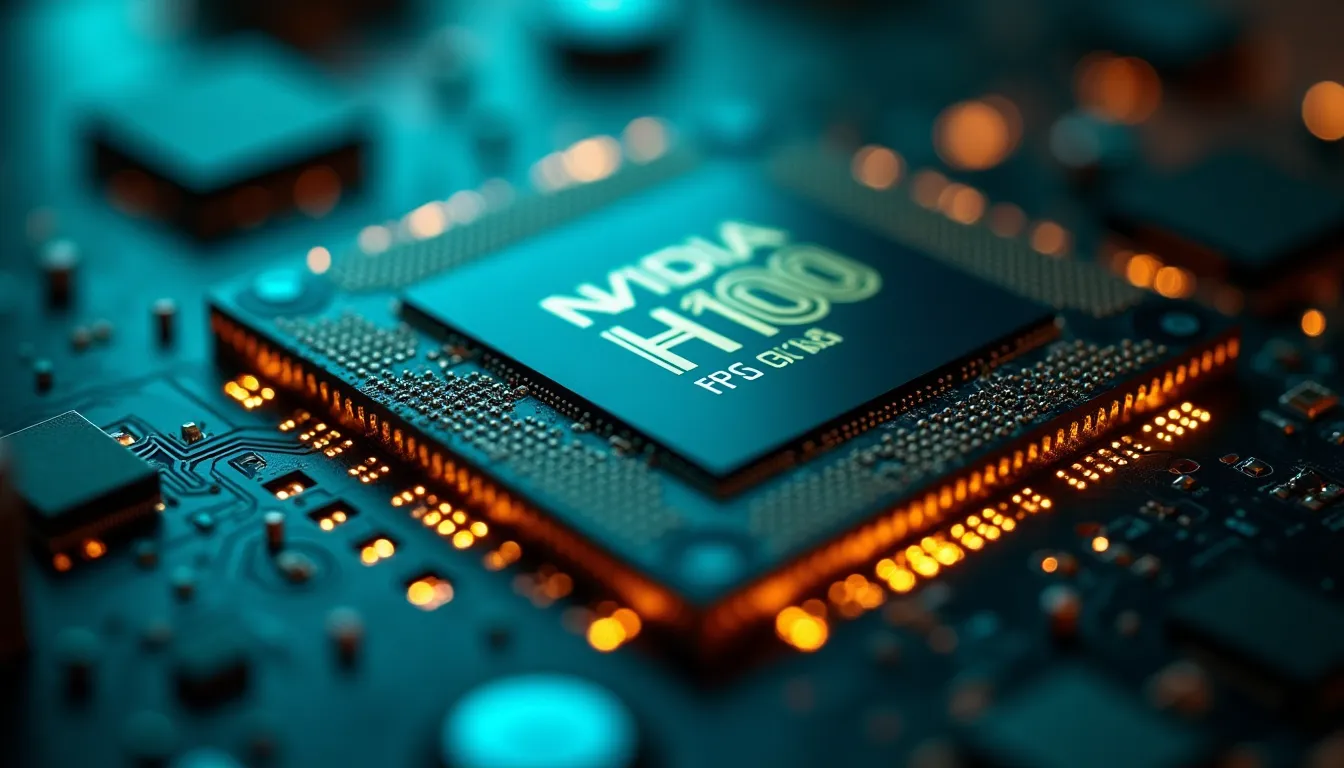
Nvidia's Moat — How Durable Is the AI Chip Dominance
Nvidia's dominance in AI chips represents one of the most formidable competitive moats in modern technology, built on a foundation of hardware excellence, software ecosystem lock-in, and strategic positioning that took over two decades to construct.

Humanoid Robots — Where the Industry Actually Stands
The humanoid robotics industry stands at a critical inflection point in 2024, with substantial venture capital flowing into ambitious startups while established players struggle to demonstrate viable commercial applications.

Large Language Models in 2026 — The State of Play
Large Language Models (LLMs) have evolved from experimental curiosities to fundamental infrastructure powering a $200+ billion AI economy in 2026.