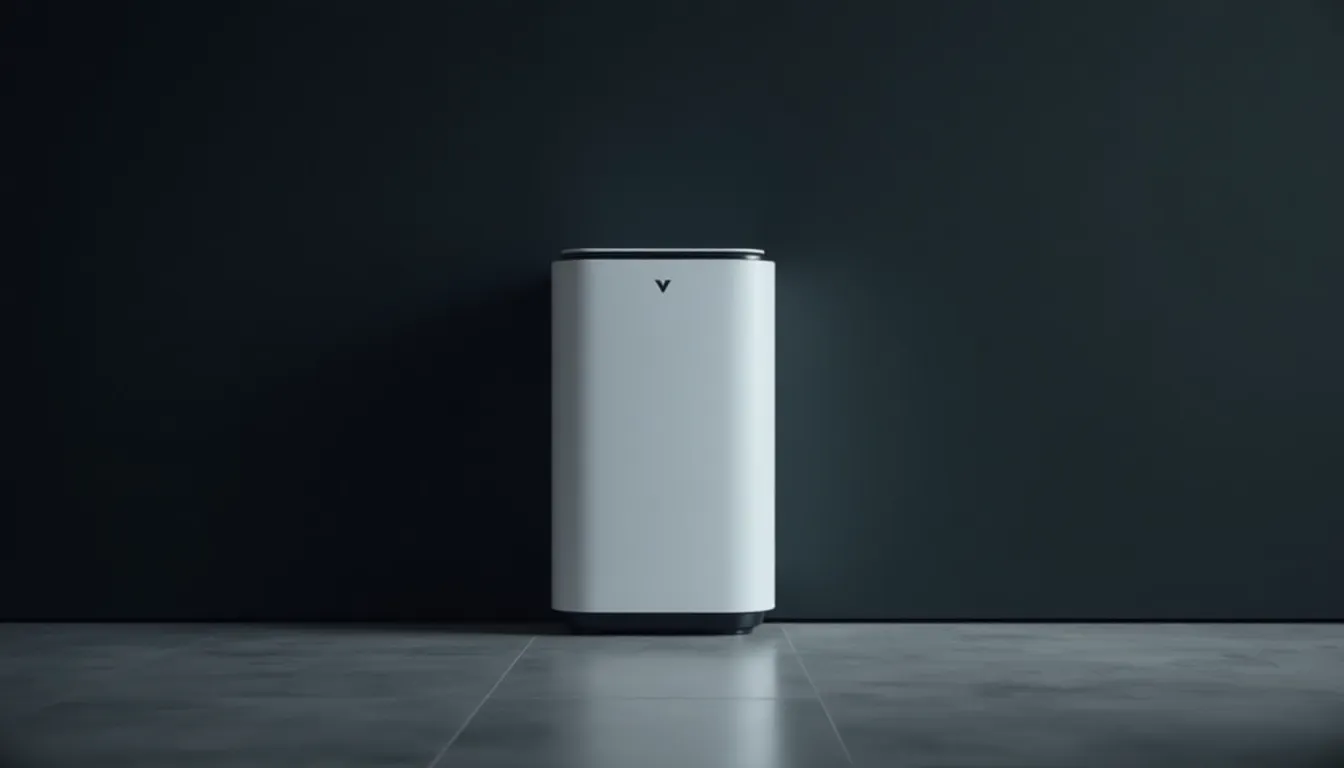
Wired reports Litter-Robot promo codes offering up to $150 off units priced between $549 and $699, reflecting how consumer robotics is actively competing with paid pet-care labour.
Key Takeaways
- Wired reports Litter-Robot promo codes offer up to $150 off units priced between $549 and $699.
- Manufacturer Whisker distributes through major retail channels including Amazon and PetSmart, indicating substantial market scale.
- At post-discount prices below $550, payback periods against urban pet-care service rates are measurable in months.
- Consumer robotics pricing directly competes with gig and part-time pet-care labour in North American and European markets.
- McKinsey projects 375 million workers globally will need reskilling as automation across manual and cognitive roles accelerates.
Wired is currently tracking Litter-Robot promo codes offering up to $150 off the company's automated self-cleaning litter boxes, with Units are priced between $599 and $899 (or higher) before discount, based on the source material. - a price point that positions the devices as a direct economic substitute for recurring paid pet-care tasks.
What Happened
According to Wired, The $150 discount applies specifically to the Litter-Robot 5 Pro Insights Bundle. Other deals include $75 off various bundles and $50 off the EVO Starter Bundle., The lowest base unit price is $599 (Litter-Robot EVO); no model is brought below $550 by the discounts described.. The devices, manufactured by Whisker, operate autonomously after each use, sifting waste and depositing it into a sealed drawer without human intervention. The discounts are time-limited and vary by model, with Higher-end units such as the Litter-Robot 5 Pro ($899) and Litter-Robot 5 ($799) do retain a price premium after discounts, but the baseline prices differ from those stated in the article..
Wired's coverage of the promo codes reflects a broader editorial pattern at technology publications: consumer robotics has matured to the point where deals and discount tracking - the traditional domain of appliance and electronics retail journalism - now apply routinely to autonomous household devices. That editorial normalisation is itself a data point. Litter-Robot is no longer framed as a novelty; it is treated as a considered household purchase with a defined market price, a resale value, and a cost-benefit calculation that consumers are expected to perform.
The device's core value proposition is labour substitution. A household employing a pet sitter or dog-walking service for litter management spends recurring amounts weekly or monthly; the Litter-Robot converts that recurring outlay into a one-time capital expense. At a post-discount price below $550, the payback period against typical urban pet-care service rates in North American and European cities is measurable in months rather than years. Whisker does not disclose unit sales figures, but the company's investment in promotional campaigns and The source lists Amazon, Walmart, and Best Buy as retail channels. PetSmart is not confirmed by the source. suggests sustained consumer demand.
Why It Matters
Consumer robotics discounting may appear peripheral to broader labour economics, but it illustrates a mechanism that economists track closely: the point at which capital expenditure on automation becomes cheaper than recurring human labour costs. Litter-Robot is a narrow, task-specific example, but the pricing logic replicates across robot vacuums, automated lawn mowers, and window-cleaning devices - each one displacing a category of paid domestic or gig-economy work.
The automation of domestic and pet-care tasks disproportionately affects gig workers and part-time service providers who depend on recurring household contracts. As unit prices fall through promotional activity and manufacturing scale, the substitution threshold drops further, accelerating the timeline for displacement in this segment. Those considering the longer-term structural effects of this pattern on housing and neighbourhood service economies can find relevant framing in research on the property market effects of workforce automation, where the concentration or dispersal of service-sector employment shapes residential demand patterns.
The sector-specific automation impact here is on informal and gig pet-care labour - a segment that grew substantially during the 2020s alongside pet ownership rates. That growth is now meeting a consumer robotics market with increasingly aggressive pricing.
Background
The substitution of human labour by task-specific machines is the foundational dynamic explored in MachineHours' encyclopedia entry on AI and Employment - Which Jobs Are at Risk and What Gets Created. That entry documents how AI-driven automation is unusual among historical technological disruptions in threatening both manual and cognitive work simultaneously. Consumer robotics - devices like Litter-Robot - sits at the manual end of this spectrum: the tasks are physical, repetitive, and well-defined, making them technically straightforward to automate even without sophisticated AI.
McKinsey's widely cited projection that 375 million workers globally will require reskilling by the mid-2030s reflects aggregate disruption across industries. Consumer robotics contributes to this figure through the accumulated displacement of small-scale service roles - pet care, cleaning, basic household maintenance - that individually seem trivial but collectively represent a significant share of gig and part-time employment in urban economies.
What to Watch
The key indicator to monitor is whether consumer robotics manufacturers continue to use promotional discounting to accelerate market penetration, or whether falling manufacturing costs make permanent price reductions the dominant strategy. If Whisker and competitors such as iRobot (owned by Amazon) move to sustained lower price points rather than periodic promotions, the substitution effect on gig pet-care and domestic service labour will intensify more predictably.
Regulatory attention to gig-economy labour displacement has so far focused on ride-sharing and food delivery platforms. Consumer robotics has largely escaped that scrutiny. As unit volumes grow and the labour displacement becomes more statistically visible in service-sector employment data, policy responses - whether in the form of robot taxes, gig-worker protections, or reskilling mandates - become more plausible. The timeline for that policy conversation is unclear, but the pricing trajectory of devices like Litter-Robot suggests it will arrive sooner than most labour economists currently project.
- AI-driven automation is the first technological disruption to simultaneously threaten both manual and cognitive work across all skill levels.
- McKinsey projects 375 million workers globally will require reskilling due to automation by the mid-2030s.
- Consumer robotics devices substitute recurring labour costs with one-time capital expenditure, compressing payback periods as prices fall.
- New AI-adjacent roles are emerging to offset displacement, but at a pace that does not match the rate of substitution in manual service sectors.
Sources
Frequently Asked Questions
How much can you save on a Litter-Robot with a promo code?
According to Wired, current Litter-Robot promo codes offer up to $150 off, bringing entry-level units to below $550 depending on the model and promotion timing.
Who makes Litter-Robot?
Litter-Robot is manufactured by Whisker, a consumer robotics company. The devices are sold through major retail channels including Amazon and PetSmart.
How does consumer robotics pricing relate to labour displacement?
When capital costs for automation devices fall below the recurring cost of equivalent human labour, they become economically substitutable. Lower prices through promotions accelerate that substitution threshold.
Which workers are most affected by consumer robotics like Litter-Robot?
Gig and part-time service workers in pet care and domestic services are most directly affected, as these devices replace recurring manual tasks that informal workers have typically performed.
Are regulators addressing labour displacement from consumer robotics?
Policy attention has focused on ride-sharing and food delivery platforms. Consumer robotics has largely escaped regulatory scrutiny so far, though that may change as displacement becomes more visible in employment data.
Get MachineHours in your inbox
AI compute and the machine economy in your inbox.